
Quick answer: SEO services in Oxford, MS help local businesses rank higher on Google, attract nearby customers, and compete with larger brands — without a massive ad budget. The most effective approach combines Google Business Profile optimization, on-page keyword targeting, local citations, review management, and structured data (schema markup). For Oxford businesses, hyper-local content tied to Ole Miss events, the Square, and Lafayette County searches can dramatically increase foot traffic and online leads. Most small businesses see measurable ranking improvements within 90 days of a focused local SEO campaign.
1. What Local SEO Actually Means for Oxford, MS Businesses

Before investing a dollar in SEO services, Oxford business owners need a clear picture of what local search optimization actually involves and why it differs from the broader digital marketing strategies you may have read about. Local SEO is not simply about having a website — it is about ensuring that every signal Google uses to evaluate local businesses points back to your Oxford location with accuracy, authority, and relevance.
According to Google’s own data, 76% of people who search for something nearby on their smartphone visit a business within one day, and 28% of those searches result in a purchase. For Oxford retailers, restaurants, law firms, contractors, and healthcare providers, that statistic represents real revenue sitting on the table.
Local SEO vs. General SEO: The Key Difference
Local SEO is the practice of optimizing your online presence so that people searching near your physical location — or in your service area — find your business first. General SEO targets broad national or global audiences; local SEO zeroes in on searches like “best coffee shop near the Square Oxford MS” or “Oxford MS HVAC repair.”
Google’s local algorithm weighs three main factors: proximity (how close you are to the searcher), relevance (how well your listing matches the query), and prominence (how well-known and trusted your business appears online). Nail all three and you dominate the Local Pack — the map-based results that appear above organic listings and capture roughly 44% of all local search clicks.
Why Oxford, MS Is a Unique Local SEO Market
Oxford sits at the intersection of a vibrant college town (University of Mississippi enrollment: ~22,000) and a tight-knit Lafayette County community of about 55,000 residents. That mix creates seasonal search spikes around football season, graduation, and summer tourism — all of which smart local SEO can capture.
Competition on the Square and along University Avenue is fierce for restaurants, retail, and professional services. Meanwhile, neighborhoods like Sycamore Square, North Lamar, and the Highway 7 corridor are underserved in local search results, meaning businesses there have a real opportunity to rank quickly with even modest optimization effort.
2. Auditing Your Current Online Presence Before Anything Else
Jumping into SEO tactics without first auditing your current position is like renovating a house without inspecting the foundation. An audit tells you exactly where you stand in Oxford’s local search landscape, which competitors are outranking you, and which quick wins are available right now. Skipping this step wastes budget and time.
The good news: a solid audit does not have to cost thousands of dollars. Many of the most revealing data points are available through free Google tools, and a professional audit from a regional agency typically runs $250–$750 as a one-time engagement — a fraction of the revenue a single page-one ranking can generate.
The 5 Areas Every Oxford Business Must Audit
A thorough SEO audit examines five core areas: (1) Google Business Profile completeness, (2) on-page technical health, (3) local citation consistency, (4) backlink profile, and (5) competitor gap analysis. Most Oxford small businesses score well on only one or two of these areas — which is actually good news, because each gap is an opportunity.
- GBP completeness: Is every category, service, and photo filled in?
- Technical health: Does your site load in under 2.5 seconds on mobile?
- Citation consistency: Is your Name, Address, and Phone (NAP) identical across Yelp, Apple Maps, Bing Places, and 50+ directories?
- Backlinks: Are local Oxford and Mississippi publications linking to you?
- Competitor gaps: What keywords are your Square competitors ranking for that you are not?
Free vs. Paid Audit Tools
Several free tools can give you a baseline picture: Google Search Console shows which queries bring visitors to your site; Google Analytics 4 reveals where traffic drops off; Moz Local offers a free listing score; and PageSpeed Insights grades your Core Web Vitals. Paid platforms like Semrush, Ahrefs, and BrightLocal add competitor tracking, rank monitoring, and citation management — typically costing $99–$299/month for small-business tiers.
If you would rather have an expert run the audit, request a free website health check from Studio Blue Creative — the team covers technical SEO, GBP status, and local citation gaps in a single report.
3. Google Business Profile Optimization: Your Single Biggest Lever

If you could only do one thing to improve your local search visibility in Oxford, optimizing your Google Business Profile would deliver the fastest return. It is the foundation of every other local SEO effort and the primary data source Google uses to populate the Local Pack, Google Maps, and AI-generated local answers.
Completing Every Section of Your GBP
Google Business Profile (GBP) is free and directly controls whether you appear in the Local Pack — the three-business map block at the top of local results. Businesses with complete GBP profiles receive 7× more clicks than those with incomplete listings, according to Google’s own research.
Critical fields to complete for Oxford businesses: primary and secondary categories, business description (750 characters, include “Oxford, MS” and your core service), hours (including holiday hours), website URL, phone number, and at least 10 high-quality photos. Add a virtual tour if you have a physical storefront on the Square — it increases engagement by up to 40%.
GBP Posts, Q&A, and Products
Most Oxford businesses set up their GBP once and forget it. That is a missed opportunity. Google rewards active profiles. Publish at least one GBP Post per week — promote specials, events, blog content, or seasonal offers tied to Ole Miss game days or Oxford’s Double Decker Arts Festival. Answer every question in the Q&A section before a competitor or stranger does it for you. If you sell products or offer services with set prices, list them in the Products and Services sections — these appear directly in mobile search results and can drive clicks without the user ever visiting your website.
Choosing the Right Primary Category
Your primary GBP category is the single most influential ranking factor in local search. Choose too broadly (“Store” instead of “Furniture Store”) and you will lose to competitors who are more specific. Google offers over 4,000 business categories. Research which category your top Oxford competitors use, then match or refine it. Secondary categories (you can add up to 9) let you capture adjacent searches — a restaurant might use “American Restaurant” as primary and add “Catering” and “Bar” as secondaries.
4. On-Page SEO: Making Your Oxford Website Speak Google's Language
Your Google Business Profile gets people to your door, but your website is what convinces them to walk through it. On-page SEO ensures that every page of your site communicates clearly to both search engines and human visitors — establishing relevance, authority, and geographic specificity for Oxford, MS searches.
Keyword Research for Oxford, MS Searches
Effective on-page SEO starts with understanding exactly how Oxford residents and visitors phrase their searches. Tools like Google Keyword Planner, Semrush, and Ahrefs reveal monthly search volumes for terms like “Oxford MS dentist” (~320 searches/month), “Oxford MS restaurants near the Square” (~880/month), and “Lafayette County real estate agent” (~210/month). Long-tail phrases — three to five words — convert at 2.5× the rate of single-word terms because they signal higher intent.
Build a keyword map that assigns one primary keyword and two to four secondary keywords to each page on your site. No two pages should target the same primary keyword — that creates “keyword cannibalization” and confuses Google about which page to rank.
Title Tags, Meta Descriptions, and Header Structure
Every page needs a unique title tag (50–60 characters) that leads with the primary keyword and includes your city: “Oxford MS Plumber | 24-Hour Emergency Service | Smith Plumbing.” Meta descriptions (140–160 characters) do not directly influence rankings but dramatically affect click-through rates — a well-written meta description can increase CTR by 5–15%, which indirectly boosts rankings.
Use a clear H1 → H2 → H3 header hierarchy. Your H1 should contain the focus keyword. H2s should cover major service or topic areas. H3s drill into specifics. Google’s crawlers use this structure to understand page architecture, and screen readers rely on it for accessibility — a win-win.
Local Content Signals: Mentioning Oxford Landmarks and Neighborhoods
Google’s natural language processing looks for geographic signals throughout your content — not just in the title. Naturally mention Oxford landmarks (Rowan Oak, the Square, Thacker Mountain Radio), neighborhoods (North Lamar, Sycamore Square, Taylor Road corridor), and nearby towns (Water Valley, Batesville, Holly Springs) where relevant. This geographic depth tells Google your business is genuinely embedded in the Oxford community, not just keyword-stuffing a city name.
5. Local Citations and Directory Listings: Building Trust Signals

Citations are online mentions of your business name, address, and phone number — whether or not they include a link to your website. They function as trust votes that tell Google your Oxford business is real, established, and operating at a specific location. Building and maintaining citation consistency is unglamorous work, but it is one of the highest-ROI activities in local SEO.
The NAP Consistency Rule
NAP stands for Name, Address, Phone — and Google cross-references this data across hundreds of online directories to verify your business is legitimate. Even minor inconsistencies (“St.” vs. “Street,” a missing suite number, an old phone number) create conflicting signals that suppress your local rankings. A 2023 BrightLocal study found that 68% of consumers lose trust in a business when they find incorrect information in online listings.
Audit your NAP across the top directories: Google, Yelp, Apple Maps, Bing Places, Facebook, Foursquare, Yellow Pages, BBB, and industry-specific directories. For Oxford businesses, also check the Oxford-Lafayette Chamber of Commerce directory and the Visit Oxford tourism site — both carry local authority.
Priority Directories for Oxford, MS Businesses
Not all directories carry equal weight. Focus first on the “power citations” — the platforms Google trusts most: Google Business Profile, Apple Maps, Bing Places, Yelp, Facebook Business, and Foursquare. Then layer in industry-specific directories (Healthgrades for medical, Avvo for legal, Houzz for home services, TripAdvisor for hospitality). Finally, add regional directories: the Mississippi Secretary of State business registry, Oxford Eagle newspaper business listings, and the Ole Miss vendor/partner directories if applicable.
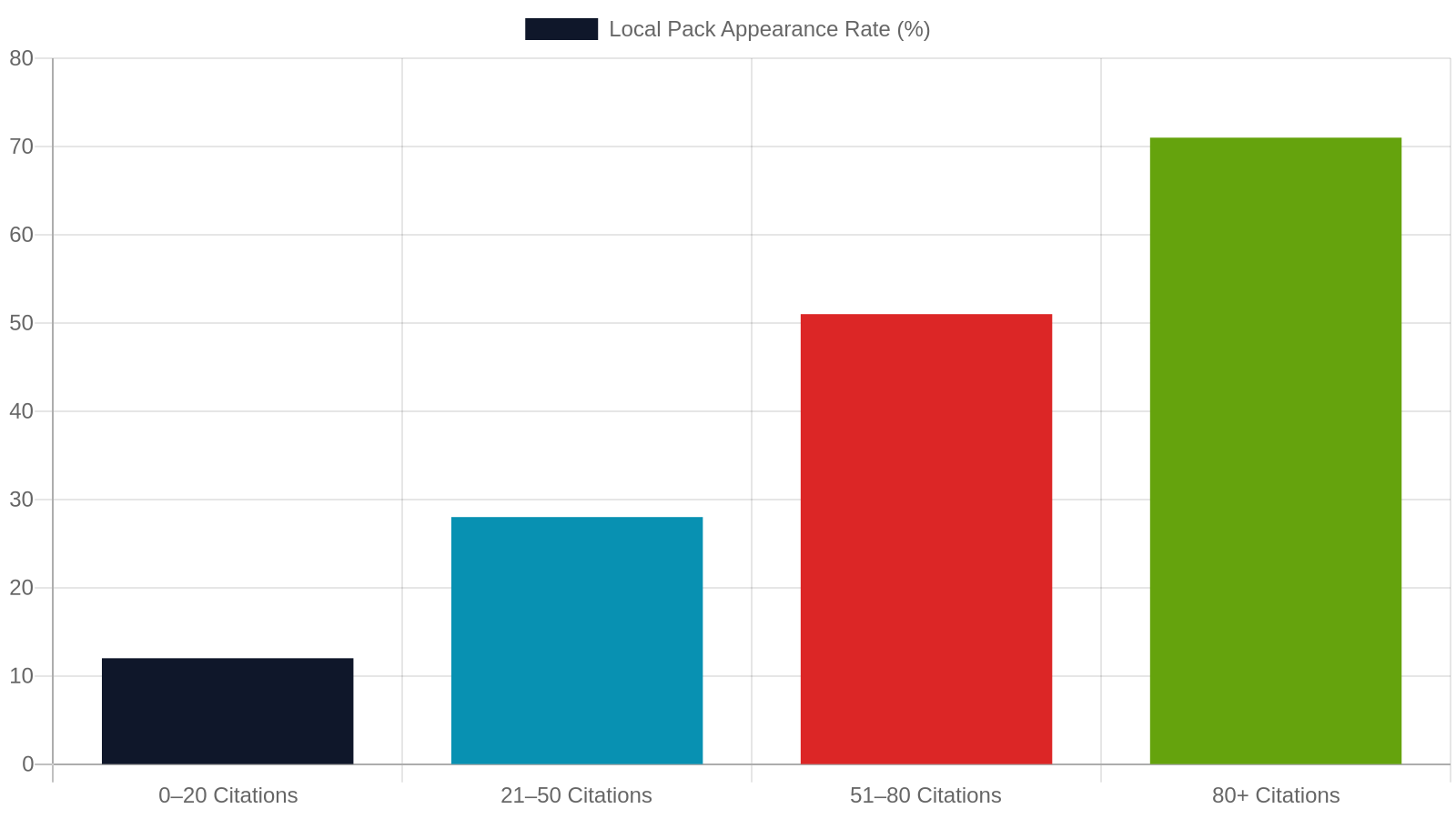
Aim for 50–80 consistent citations as a baseline. BrightLocal data shows businesses with 80+ citations rank in the Local Pack 3.4× more often than those with fewer than 20.
6. Review Management: The Social Proof Engine

Online reviews are simultaneously a ranking signal, a conversion tool, and a brand reputation asset. For Oxford businesses competing in a community where word-of-mouth has always mattered, your review profile is the digital equivalent of a neighbor’s recommendation — and it reaches thousands of people instead of just one.
Why Reviews Are a Direct Ranking Factor
Google’s local algorithm uses review quantity, recency, rating, and response rate as ranking signals. A business with 150 reviews averaging 4.6 stars will consistently outrank a competitor with 20 reviews averaging 4.9 stars — recency and volume matter more than perfection. Aim to collect at least 5 new reviews per month to signal ongoing activity to Google.
For Oxford businesses, reviews on Google carry the most weight, followed by Yelp, Facebook, and industry-specific platforms. A single negative review is not catastrophic — in fact, a mix of ratings appears more authentic. What matters is how you respond: businesses that respond to 100% of reviews (positive and negative) rank measurably higher than those that ignore them.
Ethical Review Generation Strategies
Google prohibits incentivizing reviews (no “leave us a review and get 10% off”), but you can ethically encourage them through: post-transaction email sequences with a direct Google review link, QR codes on receipts or table cards, verbal requests from staff at the point of service, and follow-up SMS messages (open rate: ~98%). Make the process frictionless — a direct link that opens the review form in one tap converts 3–5× better than asking customers to find your listing themselves.
For Oxford restaurants and retail shops near the Square, timing matters: send review requests within 2 hours of a positive interaction — that is when sentiment is highest and recall is sharpest.
7. Schema Markup and Structured Data: Talking Directly to AI

Most Oxford businesses have never heard of schema markup — which means implementing it gives you an immediate competitive advantage. As Google increasingly surfaces AI-generated answers at the top of search results, the businesses that have properly structured data will be cited and featured; those that do not will be invisible, even if their content is excellent.
What Schema Markup Does for Oxford Businesses
Schema markup is code added to your website that explicitly tells search engines — and AI answer engines like Google’s AI Overviews, ChatGPT, and Perplexity — what your business is, where it is, what it offers, and how to contact you. It is the difference between Google guessing your hours and Google knowing them with certainty.
The most impactful schema types for Oxford local businesses are: LocalBusiness (or a more specific subtype like Restaurant, MedicalBusiness, or LegalService), Review, FAQPage, BreadcrumbList, and Event (especially useful for Oxford’s busy festival calendar). Implementing these correctly can earn rich results — star ratings, FAQs, and event dates displayed directly in search results — which increase CTR by an average of 20–30%.
Schema and Answer Engine Optimization (AEO)
As AI-powered answer engines become the primary way people find local businesses, schema markup is evolving from a nice-to-have into a necessity. When Google’s AI Overview or ChatGPT answers a query like “best accountant in Oxford MS,” it pulls structured data from websites that have explicitly defined their entity — business type, location, services, credentials, and reviews.
This is the core of Answer Engine Optimization (AEO): structuring your content so AI systems can cite you confidently. Studio Blue Creative’s schema implementation service handles the technical side — JSON-LD markup, validation, and ongoing updates as your services change — so Oxford business owners can focus on running their business rather than writing code.
Oxford, MS SEO Service Options Compared at a Glance
Not all SEO services are created equal. Use this comparison to evaluate your options — from DIY to full-service agency — across the dimensions that matter most for Oxford small businesses.
8. Link Building: Earning Oxford's Digital Endorsements

Backlinks — other websites linking to yours — remain one of Google’s top three ranking factors, and local backlinks are especially powerful for Oxford businesses competing in the Local Pack and organic results. Building a strong local link profile takes time, but each link compounds in value as your domain authority grows.
Why Local Backlinks Outperform National Ones
A backlink from the Oxford Eagle, the University of Mississippi’s vendor page, or the Visit Oxford tourism site carries far more local ranking power than a generic link from a national directory. Google interprets local backlinks as community endorsements — proof that your business is genuinely embedded in the Oxford ecosystem.
Target these Oxford-specific link sources: local news coverage (pitch stories to the Oxford Eagle and HottyToddy.com), Chamber of Commerce membership (includes a directory link), Ole Miss Athletics sponsorships, local charity partnerships, and guest posts on Lafayette County community blogs. Each link is a long-term asset — unlike paid ads, backlinks keep working after you stop paying for them.
Content-Driven Link Building for Oxford Businesses
The most scalable link-building strategy is creating content that Oxford residents and media outlets naturally want to share and cite. Examples: a “Best of Oxford MS” guide in your industry, an annual survey of local consumer preferences, a resource page for Ole Miss students or new Oxford residents, or a data-driven report on local market trends.
One Oxford law firm published a free “Lafayette County Tenant Rights Guide” and earned 23 local backlinks within 90 days — including one from the Oxford Eagle — without any outreach budget. The key is creating something genuinely useful to the Oxford community, not just promotional content about your business.
9. Mobile Optimization and Core Web Vitals: The Technical Foundation

Technical SEO is the unglamorous backbone of every successful local search campaign. No amount of great content or backlinks will overcome a website that loads slowly, breaks on mobile, or confuses Google’s crawlers. For Oxford businesses, where many customers discover you on a mobile device, technical performance is directly tied to revenue.
Mobile-First Indexing and What It Means for Oxford Sites
Since 2023, Google indexes and ranks the mobile version of your website first — the desktop version is secondary. For Oxford businesses whose customers are often searching on their phones while walking the Square or driving on Highway 7, a slow or poorly formatted mobile site is not just a bad user experience — it is an active ranking penalty.
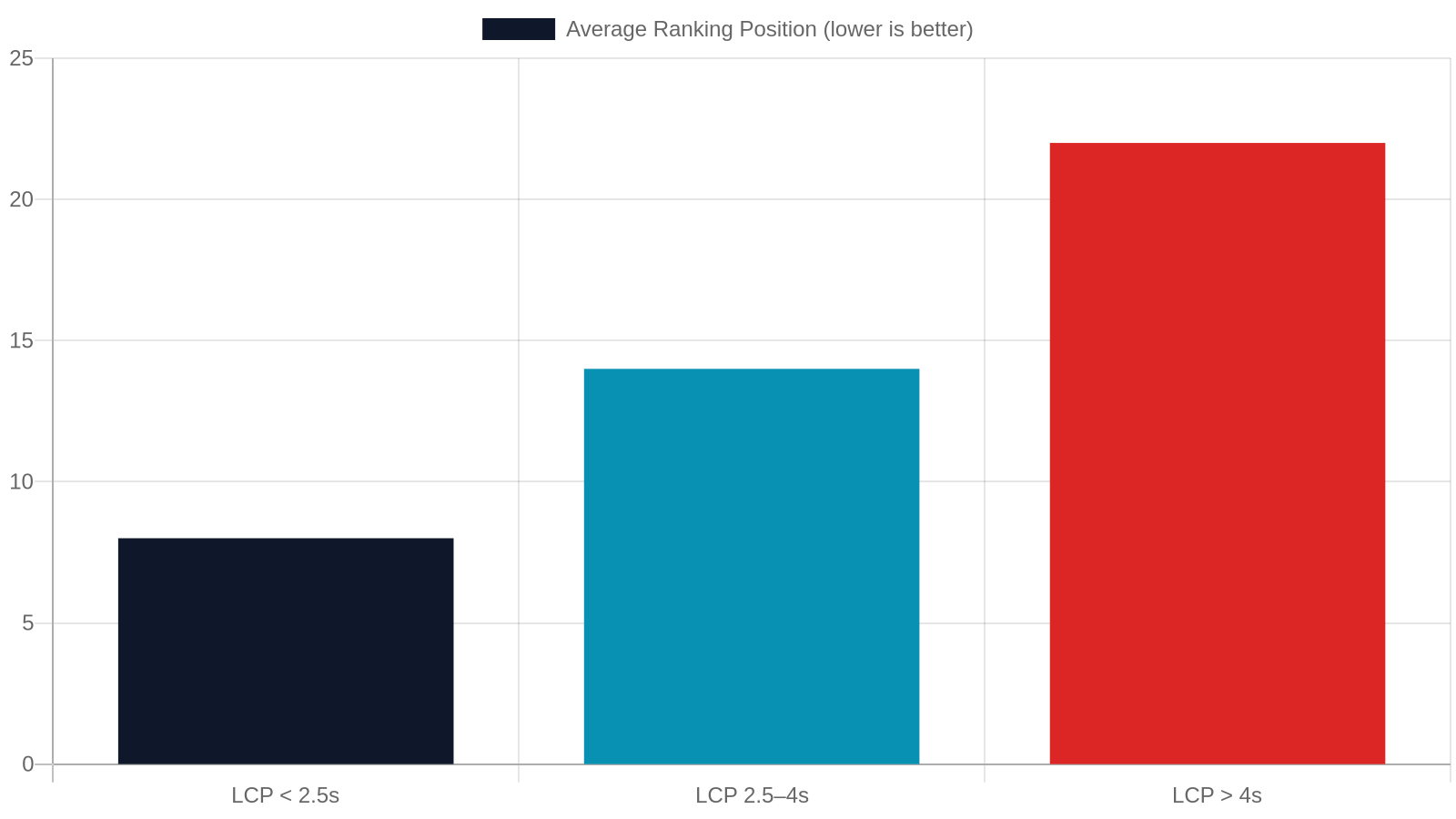
Test your site at PageSpeed Insights (free, from Google). Aim for a Largest Contentful Paint (LCP) under 2.5 seconds, a Cumulative Layout Shift (CLS) score under 0.1, and an Interaction to Next Paint (INP) under 200ms. Sites that meet all three Core Web Vitals thresholds rank 24% higher on average than those that fail, according to a 2023 Backlinko study of 11.8 million search results.
Quick Technical Wins for Oxford Business Websites
You do not need a complete website rebuild to improve Core Web Vitals. Start with these high-impact fixes: compress all images to WebP format (reduces file size by 25–34% vs. JPEG); enable browser caching; use a Content Delivery Network (CDN); eliminate render-blocking JavaScript; and upgrade to a faster hosting provider if your current server response time exceeds 600ms.
For WordPress sites — which power about 43% of all websites — plugins like WP Rocket or LiteSpeed Cache can implement most of these fixes without touching code. A developer can typically complete a full performance optimization pass in 4–8 hours, making it one of the most cost-effective SEO investments available.
10. Measuring SEO Success: Metrics That Actually Matter
You cannot improve what you do not measure. Establishing clear KPIs before launching an SEO campaign gives Oxford business owners a factual basis for evaluating performance — and for knowing when to adjust strategy. The goal is not rankings for their own sake; it is measurable business outcomes: more phone calls, more walk-ins, more form submissions, more revenue.
The 6 KPIs Oxford Business Owners Should Track
Vanity metrics like total website visitors can be misleading. Focus on these six KPIs that connect directly to revenue: (1) Local Pack ranking position for your top 5 keywords; (2) GBP actions (calls, direction requests, website clicks from your profile); (3) organic traffic from Oxford/Lafayette County (filter by city in GA4); (4) conversion rate (form fills, calls, bookings from organic traffic); (5) keyword ranking movement (track weekly with Semrush or Ahrefs); and (6) review velocity (new reviews per month).
Set a monthly reporting cadence. Most local SEO campaigns show meaningful movement in 60–90 days for low-competition keywords and 4–6 months for competitive terms like “Oxford MS attorney” or “Oxford MS real estate.”
Setting Realistic ROI Expectations
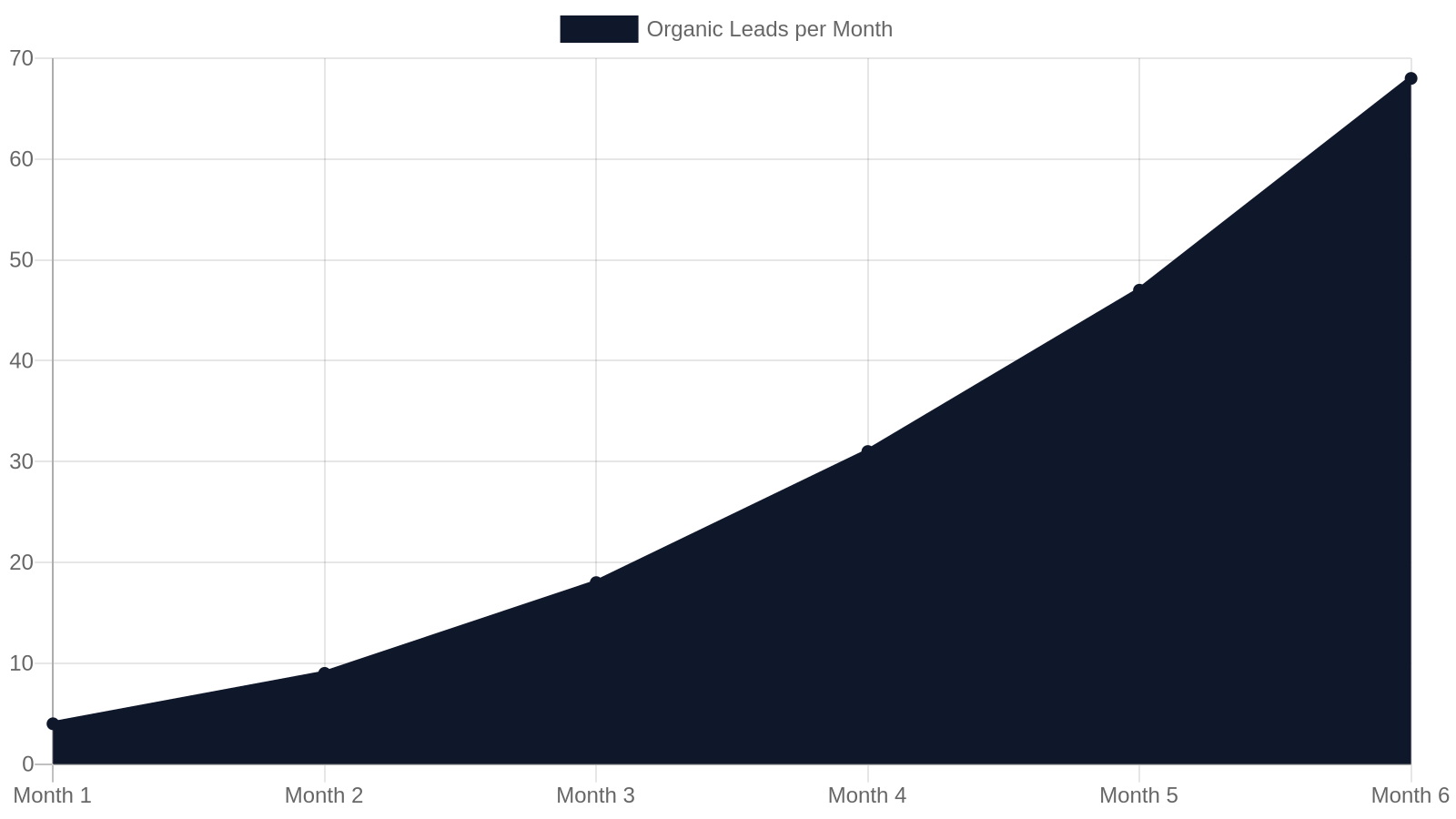
Local SEO is not a paid ad — results compound over time rather than stopping when you pause spending. A realistic ROI timeline for Oxford businesses: months 1–2 focus on technical fixes and GBP optimization (quick wins); months 3–4 bring first-page rankings for long-tail keywords; months 5–6 deliver Local Pack visibility for primary terms; months 7–12 produce sustainable organic lead flow that reduces dependence on paid ads.
Average monthly retainer for local SEO services in Mississippi ranges from $500–$2,500 depending on competition level and service scope. For most Oxford small businesses, a well-executed $800/month campaign generates $4–$8 in revenue for every $1 spent within the first year — a return that compounds as rankings stabilize.
Ready to Grow Your Oxford, MS Business With SEO?

The Oxford, MS local search landscape is competitive but absolutely winnable for businesses willing to invest in a structured, consistent SEO strategy. The ten areas covered in this guide — from GBP optimization and citation building to schema markup and Core Web Vitals — represent a proven roadmap that Oxford businesses across every industry can follow to rank higher, attract more local customers, and grow revenue without relying entirely on paid advertising.
The businesses that start now will hold a significant advantage over those that wait. Search rankings take time to build, but once established, they deliver compounding returns month after month. The best time to start your Oxford SEO campaign was six months ago — the second best time is today.
Why Work With a Regional Agency That Knows Tennessee and Mississippi Markets
Oxford, MS sits less than 90 miles from Memphis and draws visitors and customers from across North Mississippi and West Tennessee. A regional agency that understands both markets — their search behaviors, seasonal patterns, and competitive landscapes — will build a more effective local SEO strategy than a generic national firm applying cookie-cutter templates.
Studio Blue Creative serves businesses across the Nashville Metro, Jackson, TN, and surrounding areas, with deep expertise in local SEO, AEO, GEO, and web development. Our team understands the nuances of small-market SEO — where a handful of well-placed citations and a properly optimized GBP can move the needle dramatically — and we bring that same precision to Oxford-area clients. Explore our Generative Engine Optimization services to see how we help businesses get cited by AI answer engines, not just ranked by Google.
Your Free Estimate Starts Here
Every Oxford business we work with starts with a no-obligation discovery call and free estimate. We review your current rankings, GBP status, citation health, and competitor landscape — then give you a plain-English action plan with realistic timelines and pricing. No jargon, no pressure, no long-term contracts required to get started.
Call us today at 731-402-0402 or visit our full services page to learn more about what we offer. Whether you are a restaurant on the Square, a law firm on University Avenue, or a contractor serving Lafayette County, we will build an SEO strategy sized for your market and your budget.
Frequently Asked Questions
How much do SEO services cost for a small business in Oxford, MS?
Local SEO services for Oxford, MS small businesses typically range from $500 to $2,500 per month depending on competition level, number of target keywords, and service scope. One-time audits run $250–$750. Most businesses see positive ROI within 4–6 months of a consistent campaign.
How long does it take to rank on Google in Oxford, MS?
Most Oxford businesses see meaningful ranking improvements for long-tail keywords within 60–90 days of starting a focused local SEO campaign. Competitive terms like 'Oxford MS attorney' or 'Oxford MS real estate' typically require 4–6 months of consistent effort to reach the first page.
Do I need a website to do local SEO in Oxford?
You can achieve some local visibility with just a Google Business Profile, but a website dramatically expands your ranking potential. Pages targeting specific services, neighborhoods, and keywords give Google far more content to index and rank. For Oxford businesses, a basic 5–10 page website paired with a complete GBP is the minimum effective setup.
What is the difference between SEO and Google Ads for an Oxford business?
Google Ads (paid search) delivers immediate visibility but stops the moment you stop paying. SEO builds organic rankings that persist and compound over time. For Oxford businesses with limited budgets, SEO typically delivers a higher long-term ROI, while Google Ads can fill gaps while organic rankings build.
Does my Oxford business need to be on social media to rank in local search?
Social media is not a direct Google ranking factor, but it supports local SEO indirectly by driving brand searches, earning local backlinks, and building the online presence signals Google uses to evaluate prominence. For Oxford businesses, an active Facebook Business page and consistent Google Business Profile posts matter more than Instagram or TikTok for local search rankings.
What is AEO and why does it matter for Oxford businesses?
Answer Engine Optimization (AEO) is the practice of structuring your website content and schema markup so that AI-powered answer engines — like Google's AI Overviews, ChatGPT, and Perplexity — cite your business when answering local queries. As more Oxford residents use AI tools to find businesses, AEO ensures you appear in those answers, not just traditional search results.
Find out if ChatGPT recommends your business.
Right now, your customers are asking AI for recommendations. The AI is naming somebody. Is that name yours? Run our free AEO Scorecard — we test 3 of your real queries against ChatGPT and Claude and email you a personalized report.
Ready for a real website?
Get a tailored 3-tier proposal in under a minute — including our Launch Deal ($699), a custom build, or our SEO Growth Package. No call required.