
Quick answer: Google AI Overviews (formerly Search Generative Experience) now appear in roughly 47% of U.S. searches and pull answers directly from trusted web sources — often skipping the traditional blue links entirely. For Tennessee small businesses in Nashville, Franklin, Jackson, and beyond, winning a spot in these AI-generated summaries means more visibility without paying for ads. The fastest path there combines Answer Engine Optimization (AEO), structured data markup, authoritative local content, and a well-maintained Google Business Profile. This guide walks you through every step, with specific tactics built for Middle Tennessee and West Tennessee markets in 2026.
1. What Google AI Overviews Actually Are (and Why They Matter in 2026)
Before you can optimize for Google AI Overviews, you need to understand exactly what they are, how they work, and why they represent the single biggest shift in local search since Google Maps launched. This section gives you the foundational knowledge every Tennessee business owner needs heading into 2026.
From SGE to AI Overviews: A Quick Timeline
Google launched its Search Generative Experience (SGE) in May 2023 as an experimental feature in Search Labs. By August 2024, the product was rebranded as Google AI Overviews and rolled out to all U.S. users — no opt-in required. By early 2026, Google has expanded AI Overviews to cover an estimated 47% of all search queries, with the heaviest coverage in informational, local-service, and how-to searches: exactly the queries your potential customers in Nashville, Brentwood, or Jackson are typing every day.
How AI Overviews Choose Their Sources
AI Overviews are generated by a large language model (Gemini) that reads and synthesizes content from multiple web pages. Google selects sources based on three primary signals: topical authority (does your site consistently cover this subject?), content structure (is the answer easy for a machine to extract?), and trust signals (E-E-A-T: Experience, Expertise, Authoritativeness, Trustworthiness). Importantly, appearing in an AI Overview does not require ranking #1 in traditional results — a page ranked 5th or even 8th can be cited if its answer is cleaner and more direct than the top results.
For Tennessee small businesses, this levels the playing field against larger national competitors who dominate paid ads but haven’t invested in structured, answer-ready content.
The Traffic Opportunity (and the Risk)
Early 2026 data from Search Engine Land and BrightEdge shows that pages cited in AI Overviews receive a 12–18% click-through boost compared to uncited pages at the same ranking position, because users see the brand name and snippet before they even scroll. However, pages that are not cited but used to rank in positions 1–3 are experiencing up to a 34% drop in organic clicks as AI Overviews answer the query above the fold. The message is clear: get cited, or lose ground.
2. The Tennessee Local Search Landscape in 2026
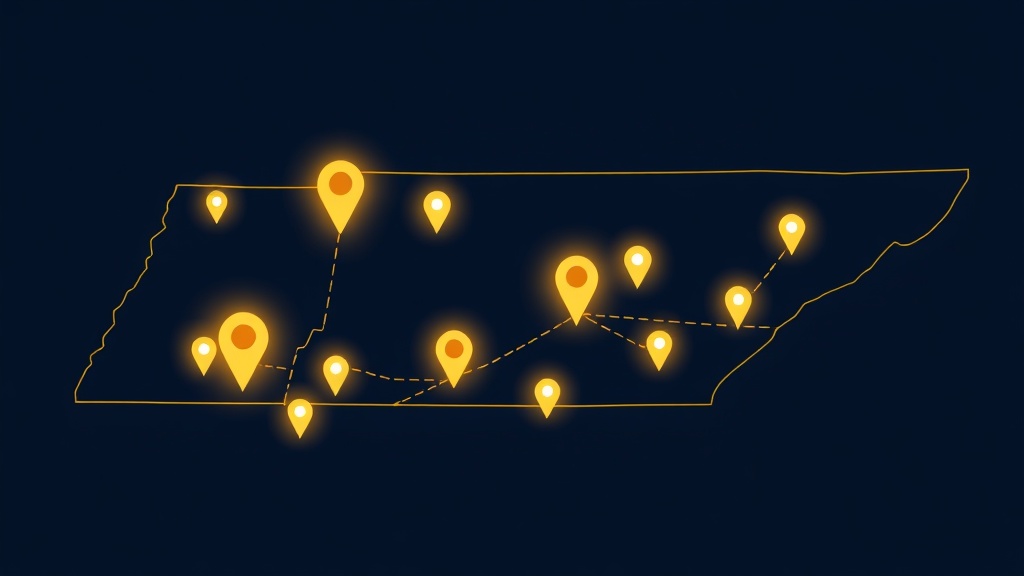
Winning AI Overviews looks different depending on where in Tennessee your business operates. The strategies are the same, but the competitive intensity and opportunity vary significantly between Middle Tennessee and West Tennessee — and understanding your specific market is the first step to building a winning plan.
Nashville Metro: A Hyper-Competitive Market
The Nashville metro — covering Nashville, Franklin, Brentwood, Murfreesboro, Hendersonville, and Mount Juliet — added over 100 new businesses per week in 2024 according to the Nashville Area Chamber of Commerce. That growth has made local search intensely competitive. Searches like “HVAC repair Franklin TN,” “family dentist Brentwood,” or “custom website Nashville” now routinely trigger AI Overviews, meaning the business whose content is cited gets a massive credibility boost before a user ever visits their site.
Jackson and West Tennessee: An Underserved Opportunity
While Nashville businesses fight for every ranking, Jackson and the surrounding West Tennessee market — including Humboldt, Milan, and Lexington — remains significantly less competitive for AI Overview citations. Searches for services in this region are just as likely to trigger an AI Overview, but far fewer local businesses have optimized their content for it. This represents a first-mover advantage: West Tennessee businesses that invest in AEO and GEO strategies now can own AI Overview citations in their categories before competitors catch on.
Which Industries Are Seeing the Most AI Overview Coverage in Tennessee
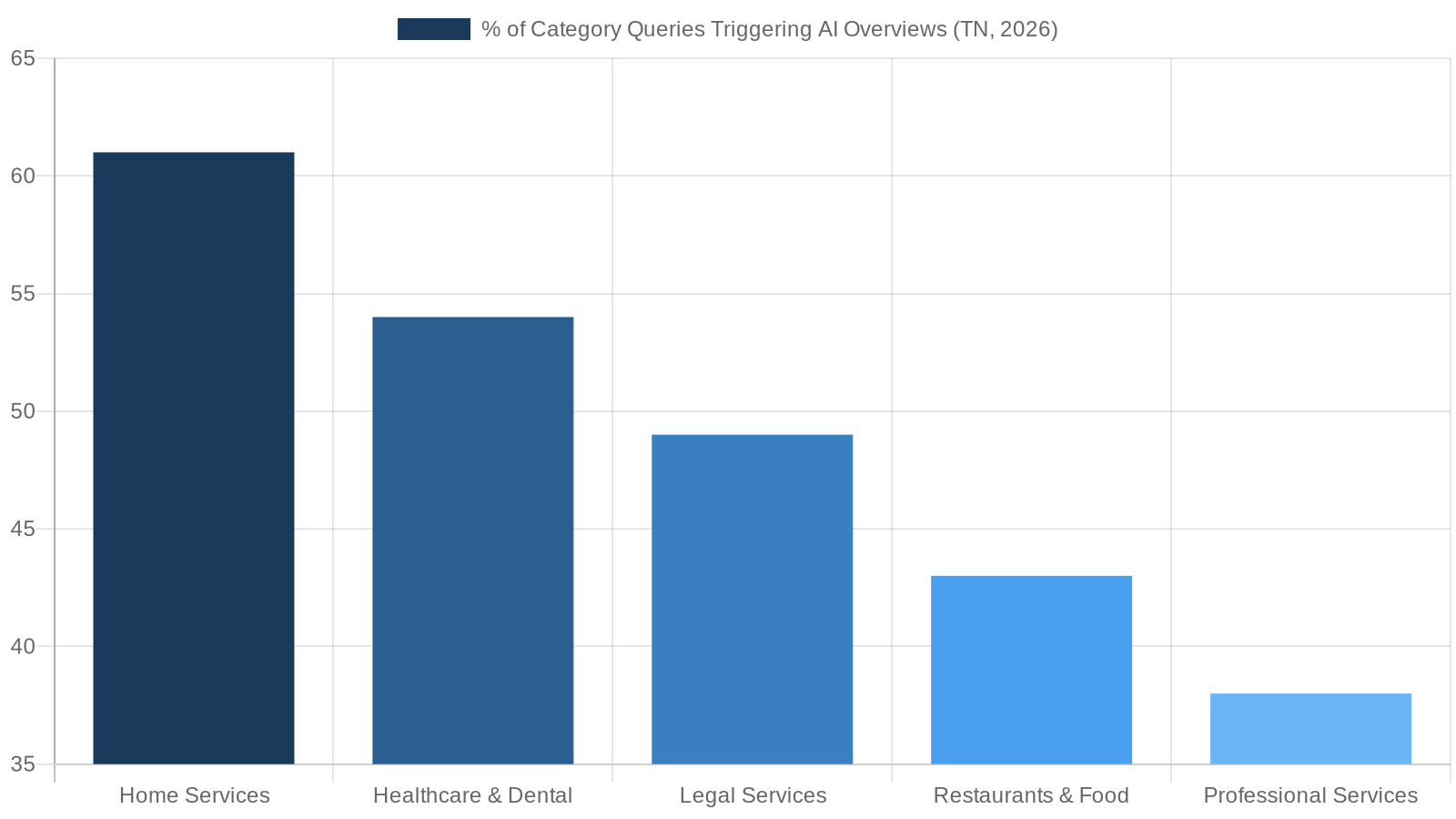
Based on 2025–2026 query sampling across Tennessee markets, the industries most frequently triggering AI Overviews include: home services (roofing, HVAC, plumbing — 61% of category queries), healthcare and dental (54%), legal services (49%), restaurants and food (43%), and professional services including web design and marketing (38%). If your business falls into any of these categories, AI Overview optimization is not optional — it’s urgent.
3. Answer Engine Optimization (AEO): The Core Framework
AEO is the discipline that sits at the intersection of content strategy and machine readability. It’s the single most important skill for Tennessee businesses to develop in 2026, and it doesn’t require a massive budget — it requires a shift in how you think about and structure your content. Here’s the framework that works.
What AEO Is and How It Differs from Traditional SEO
Traditional SEO optimizes pages to rank — to appear in a list of blue links. Answer Engine Optimization (AEO) optimizes pages to be cited — to have their content extracted and quoted by AI systems including Google AI Overviews, ChatGPT, Perplexity, and voice assistants. The difference is structural: AEO content is written in a question-and-answer format, uses concise definitive statements, and is organized so that a machine can extract a clean answer without reading the entire page.
For a Nashville plumber, traditional SEO might target “plumber Nashville TN.” AEO targets “how much does a water heater replacement cost in Nashville” — a question with a specific, extractable answer.
The Question-First Content Model
Every piece of AEO-optimized content should begin by stating the question it answers, then provide a direct answer in the first 50–100 words, then expand with supporting detail. This mirrors the structure Google’s AI uses when generating overviews. Practically, this means:
- Use the exact question as your H2 or H3 heading
- Open the section with a 1–2 sentence direct answer (“The average cost of X in Nashville is $Y–$Z”)
- Follow with context, caveats, and supporting evidence
- Close with a local signal (city name, neighborhood, or service area)
This structure works for service pages, blog posts, FAQs, and even your Google Business Profile description.
Definitive Statements: The Language AI Overviews Love
Google’s AI Overview model is trained to prefer content that makes clear, confident, verifiable claims. Hedging language like “it depends” or “results may vary” without a follow-up specific answer reduces your citation probability. Replace vague statements with definitive ones: instead of “SEO can take a while to show results,” write “Most Tennessee small businesses see measurable SEO improvements within 90–120 days of consistent optimization.” Specificity signals authority — and authority gets cited.
4. Generative Engine Optimization (GEO): Getting Cited by AI Systems

GEO takes AEO one step further: it’s not just about structuring your content for machines, but about making your content so authoritative and data-rich that AI systems actively prefer to cite it over competitors. For Tennessee small businesses, GEO is the strategy that turns your local expertise into a durable competitive advantage. To explore how Studio Blue Creative implements GEO for local businesses, see our full range of digital services.
What Makes Content 'Citation-Worthy' for AI Models
Generative Engine Optimization (GEO) is the practice of making your content the kind of source that AI systems — including Google Gemini, ChatGPT, and Perplexity — choose to cite when generating answers. Research from Princeton, Georgia Tech, and the Allen Institute for AI (published in 2024) identified the content attributes most correlated with AI citation: statistical specificity (exact numbers, percentages, dates), source attribution (citing studies, surveys, or named experts), unique data or insights not available elsewhere, and clear entity definitions (explaining who you are, what you do, and where you operate in plain language).
Entity Definition: Tell AI Who You Are
AI models build a knowledge graph of entities — businesses, people, places, and concepts. If your business isn’t clearly defined as an entity across your website, Google Business Profile, and third-party directories, AI systems can’t confidently cite you. Your homepage and About page should include: your full legal business name, your service categories (using industry-standard terminology), your geographic service area (“serving Nashville, Franklin, Brentwood, Murfreesboro, and the greater Middle Tennessee area”), and your founding year or years of experience. Consistency across all platforms is critical — NAP (Name, Address, Phone) must match exactly everywhere.
Original Data and Local Statistics: Your Competitive Moat
One of the fastest ways to earn AI citations is to publish original local data that doesn’t exist anywhere else. For a Tennessee business, this might mean: a survey of your customers about their biggest pain points, a cost comparison of your services versus regional averages, or a breakdown of local market trends you’ve observed. When an AI model searches for “average cost of web design in Nashville” and your page is the only one with a specific, sourced answer, you become the default citation. Even a simple annual pricing transparency page can drive significant AI Overview visibility.
5. Structured Data and Schema Markup: Speaking Google's Language
Structured data is the bridge between your content and Google’s AI. Without schema markup, even the best-written content on your Nashville or Jackson business website is harder for AI systems to parse and cite. With it, you’re essentially handing Google a pre-formatted answer card. Here’s what you need to implement in 2026.
The Most Important Schema Types for Local Businesses
Schema markup is JSON-LD code added to your website that tells Google (and other AI systems) exactly what your content means — not just what it says. For Tennessee small businesses, the highest-impact schema types in 2026 are:
- LocalBusiness (or a specific subtype like Plumber, LegalService, or WebDesigner): defines your entity, address, hours, and service area
- FAQPage: marks up question-and-answer content for direct extraction into AI Overviews
- HowTo: structures step-by-step content that AI Overviews frequently cite for process queries
- Review and AggregateRating: surfaces your star rating in search results, boosting click-through
- Service: explicitly defines each service you offer, its description, and its price range
FAQPage Schema: The Fastest Win
Of all schema types, FAQPage schema has the most direct relationship with AI Overview citations. When Google’s AI model is generating an overview for a question, it actively looks for FAQPage schema on relevant pages because the question-answer pairs are pre-structured for extraction. Adding FAQPage schema to your service pages takes approximately 30 minutes per page and can produce AI Overview citations within 2–6 weeks of Google re-crawling your site. Every service page on your Tennessee business website should have at least 3–5 FAQ pairs marked up with FAQPage schema.
Validating Your Schema: Tools and Common Mistakes
Use Google’s Rich Results Test (search.google.com/test/rich-results) and Schema.org’s validator to confirm your markup is error-free before publishing. The most common mistakes Tennessee business sites make: using the wrong LocalBusiness subtype (“Organization” instead of a specific industry type), inconsistent address formatting between schema and the visible page, and missing required properties like telephone, areaServed, and priceRange. Fix these, and your schema becomes a clean signal that AI systems can trust and cite.
6. Google Business Profile Optimization for AI Visibility

Your Google Business Profile is not just a directory listing — in 2026, it’s a primary data source for Google’s AI systems. Tennessee businesses that treat their GBP as a living, optimized asset will have a significant advantage in AI Overview citations over those who set it up once and forgot about it.
Why Your GBP Is an AI Overview Input
Google Business Profile (GBP) data feeds directly into Google’s local knowledge graph — the same graph that Gemini queries when generating AI Overviews for local searches. A fully optimized GBP increases the probability that your business is cited in AI Overviews for queries like “best web design agency in Nashville” or “digital marketing Jackson TN.” Key optimization points for 2026: select the most specific primary category available, fill every available attribute field, maintain a consistent posting schedule (minimum 2 posts per month), and ensure your business description includes your top 3–5 service keywords and your city/region.
Reviews as AI Trust Signals
Google’s AI Overview model treats review volume and recency as trust signals when selecting local business citations. Businesses with 50+ Google reviews and a 4.5+ star rating are significantly more likely to be cited in local AI Overviews than those with fewer reviews, even if the lower-reviewed business has better website content. Build a systematic review request process: send a follow-up email or text to every customer within 48 hours of service completion with a direct link to your GBP review page. Aim for at least 4 new reviews per month to maintain recency signals.
GBP Q&A: An Underused AEO Goldmine
The Questions & Answers section of your Google Business Profile is one of the most overlooked AEO opportunities for Tennessee small businesses. You can — and should — seed your own Q&A section with the questions your customers ask most frequently, then answer them with concise, keyword-rich responses. Google’s AI has been observed pulling GBP Q&A content directly into AI Overviews for local queries. Seed 8–12 questions covering your services, pricing ranges, service area, and process. This takes about two hours and can drive AI Overview citations for months.
7. Content Strategy: Building Topic Authority in Your Tennessee Market
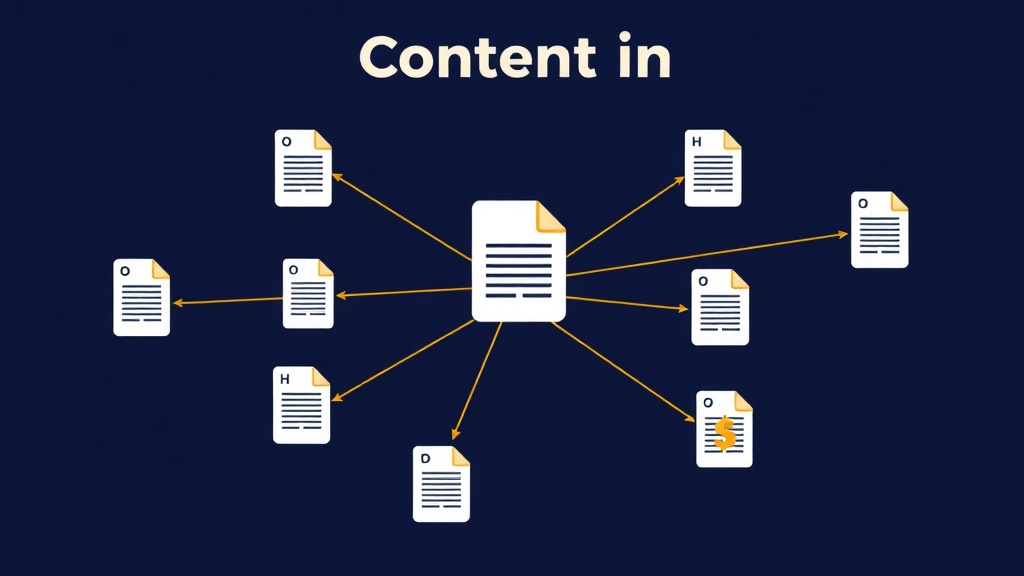
Winning AI Overviews is ultimately a content game — but not a volume game. It’s a depth and structure game. Tennessee businesses that build genuine topical authority through well-organized, locally-relevant, regularly-updated content will consistently outperform competitors who publish more but with less strategic intent.
Topic Clusters: Covering Your Subject Completely
Google’s AI Overview model favors websites that demonstrate comprehensive topical authority — meaning you’ve covered a subject from multiple angles, not just written one page about it. The topic cluster model organizes your content around a central pillar page (e.g., “Web Design Services in Nashville”) supported by 8–15 cluster pages covering related subtopics (“How Much Does a Website Cost in Tennessee,” “WordPress vs. Custom Website: Which Is Right for Nashville Businesses,” “How to Choose a Web Designer in Franklin TN”). This structure signals to Google that your site is the authoritative resource on the topic — and authoritative resources get cited.
Local Content: Hyperlocal Signals That AI Overviews Love
Generic content rarely earns AI Overview citations in local searches. Hyperlocal content — content that specifically references neighborhoods, local events, local regulations, or local market conditions — performs dramatically better for Tennessee-specific queries. Examples that work: “What Nashville’s 2025 Business License Requirements Mean for Your Website,” “Why Murfreesboro Businesses Are Investing in SEO in 2026,” or “Jackson TN Small Business Digital Marketing: A 2026 Cost Guide.” These pieces answer questions that only a locally-present business would know to ask, which is exactly the kind of unique value AI systems are trained to surface.
Content Freshness: Update Signals Matter
AI Overviews show a strong preference for recently updated content, particularly for queries with a time-sensitive component (costs, regulations, technology comparisons). Audit your top 10 service and blog pages every quarter and update them with current data, new examples, and a revised publication date. Even small updates — adding a 2026 statistic, refreshing a price range, or adding a new FAQ — can re-trigger Google’s crawl and improve your AI Overview citation probability. Set a recurring calendar reminder: content refresh sprint every 90 days.
8. Technical SEO Foundations That Support AI Overview Visibility
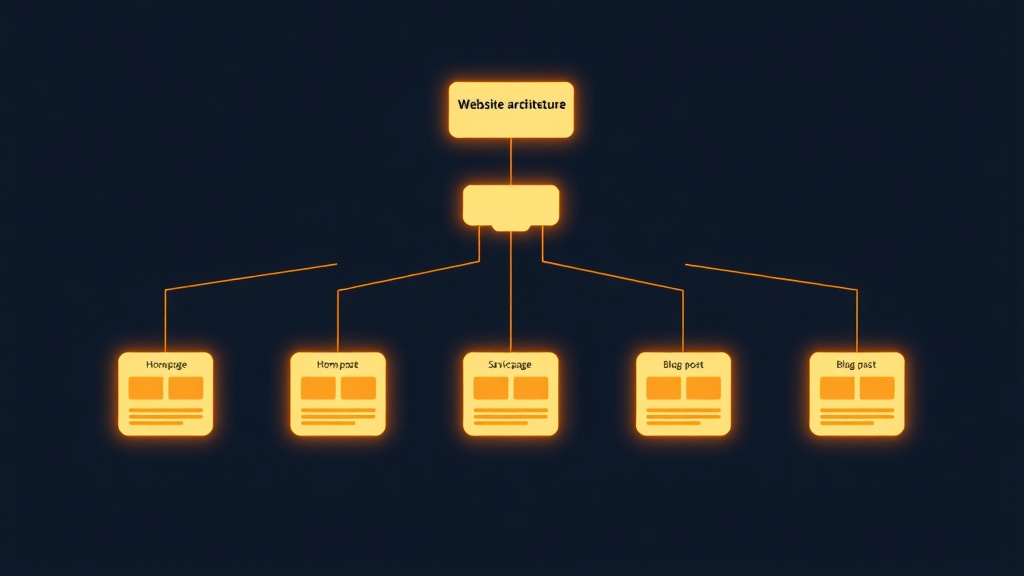
The most brilliant AEO content strategy in the world won’t earn AI Overview citations if Google can’t efficiently crawl, index, and understand your website. Technical SEO is the foundation everything else is built on — and for Tennessee small businesses on shared hosting or aging WordPress installs, it’s often where the biggest quick wins hide.
Core Web Vitals and Page Speed: The Baseline
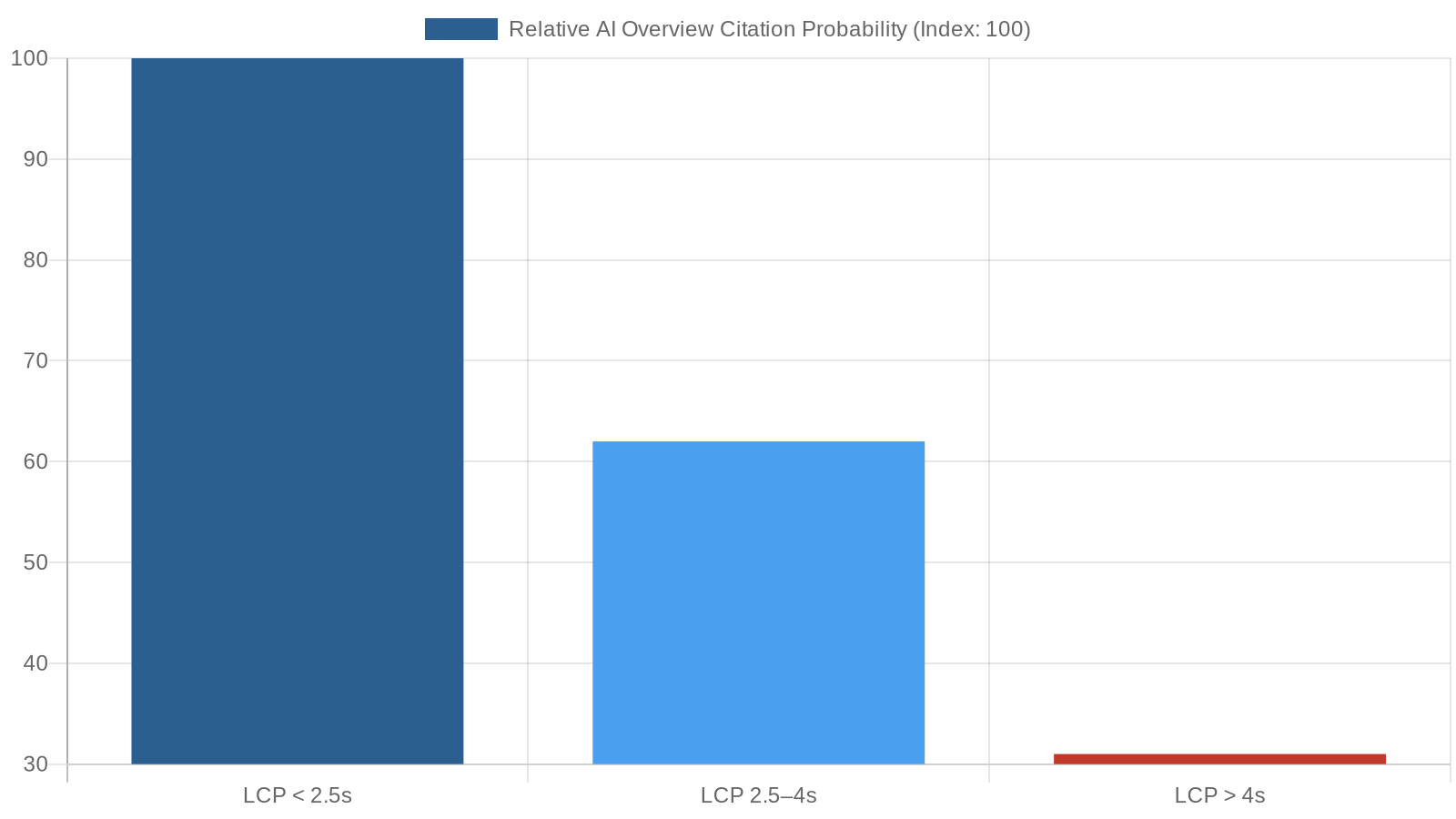
Google’s AI Overview model still relies on Googlebot to crawl and index pages before they can be cited. Pages that fail Core Web Vitals thresholds — particularly Largest Contentful Paint (LCP) above 2.5 seconds or Cumulative Layout Shift (CLS) above 0.1 — are crawled less frequently and indexed less reliably, reducing their AI Overview citation probability. Run your top pages through Google PageSpeed Insights (pagespeed.web.dev) and prioritize fixes for any pages scoring below 70 on mobile. For Tennessee small business websites, the most common culprits are uncompressed images and unoptimized WordPress plugins.
Crawlability and Indexation: Don't Block the AI
Check your robots.txt file to ensure you haven’t accidentally blocked Googlebot-Extended (Google’s AI training crawler) or Googlebot itself from crawling your key pages. In 2024–2025, many website builders and WordPress security plugins began blocking AI crawlers by default — a well-intentioned privacy measure that inadvertently reduces AI Overview citation eligibility. Also verify that your most important service and FAQ pages are included in your XML sitemap and that the sitemap is submitted in Google Search Console. These are basic steps, but they’re surprisingly often missed by Tennessee small business websites.
Internal Linking: Distributing Authority to Your Best Pages
Internal links pass PageRank (authority) between pages and help Google understand which pages on your site are most important. For AI Overview optimization, ensure that your homepage links to every primary service page, that your blog posts link back to the relevant service pages they support, and that your FAQ pages are linked from both the homepage and service pages. A flat site architecture — where every important page is reachable within 2–3 clicks from the homepage — is strongly preferred by Google’s crawlers and AI systems alike.
AEO vs. SEO vs. GEO: How the Three Strategies Compare
Understanding how Answer Engine Optimization, traditional SEO, and Generative Engine Optimization differ — and how they work together — is essential for building a complete 2026 digital strategy for your Tennessee business.
9. Building E-E-A-T Signals That AI Systems Trust

E-E-A-T is the lens through which Google evaluates whether your business deserves to be cited as an authoritative source. For Tennessee small businesses, building E-E-A-T signals is a long-term investment that pays dividends not just in AI Overviews, but across every aspect of your digital presence — from traditional rankings to conversion rates. You can learn more about Studio Blue Creative’s approach to building trust-first digital strategies for Tennessee businesses.
Experience and Expertise: Show Your Work
Google’s E-E-A-T framework (Experience, Expertise, Authoritativeness, Trustworthiness) was originally designed for human quality raters, but it now directly informs which sources Google’s AI cites in Overviews. Experience means demonstrating first-hand knowledge: case studies with real results, before-and-after examples, and specific project details. Expertise means credentialing: author bios with relevant qualifications, years in business, certifications, and professional affiliations. For a Nashville digital agency, this might mean publishing a case study showing exactly how a local client’s Google rankings improved over 6 months, with specific traffic numbers and revenue impact.
Authoritativeness: Earn External Citations
AI systems treat external citations — links and mentions from other authoritative websites — as votes of confidence. For Tennessee small businesses, the most accessible sources of authoritative citations include: local chambers of commerce (Nashville Area Chamber, Jackson Chamber), industry associations, local news outlets (The Tennessean, Nashville Business Journal, Jackson Sun), and partner business websites. A single mention in the Nashville Business Journal carries more E-E-A-T weight than 50 directory listings. Develop a PR and partnership strategy alongside your content strategy.
Trustworthiness: The Signals That Protect Your Citations
Trust signals that AI systems can verify include: an HTTPS secure website, a clear privacy policy and terms of service, a physical address that matches your GBP and schema, a visible phone number on every page, and consistent NAP data across all directories. For service businesses in Tennessee, adding a license number (where applicable) and a Better Business Bureau listing further reinforces trustworthiness. These signals don’t just help with AI Overviews — they improve conversion rates from every traffic source.
10. Measuring Your AI Overview Performance
You can’t improve what you don’t measure. Tracking your AI Overview performance requires a combination of platform tools, manual audits, and business-level attribution — and setting up this measurement framework now will give you the data you need to refine your strategy throughout 2026.
Google Search Console: Your Primary Measurement Tool
Google Search Console (GSC) added AI Overview impression and click tracking in late 2024. In the Performance report, filter by Search Type: Web and look for queries where your pages are generating impressions but with unusually high position numbers alongside strong click-through rates — this pattern often indicates AI Overview citations, where your page is cited even though it ranks 5th–10th in traditional results. Set up a custom segment for your top 20 target queries and track impression share month-over-month. A rising impression count with stable or improving CTR is the clearest signal that your AI Overview optimization is working.
Manual Spot-Checking: The Human Verification Method
At least once per month, manually search for your 10 most important target queries in an incognito browser window and note whether an AI Overview appears, and if so, whether your business is cited. Screenshot and date-stamp these results — they’re your baseline. Tools like Semrush’s AI Overview tracker (launched in 2025) and BrightEdge’s Generative Parser can automate this monitoring at scale, but for most Tennessee small businesses, a monthly manual audit is sufficient and free. Track: query, AI Overview present (yes/no), your business cited (yes/no), competitor cited (who).
Attribution: Connecting AI Overview Citations to Revenue
The hardest part of AI Overview measurement is attributing revenue. Because AI Overview citations often result in direct phone calls or direct website visits (rather than trackable clicks), use call tracking numbers on your website and GBP, ask every new lead “how did you find us,” and monitor your GBP’s direct search and discovery search metrics. If your GBP discovery searches (queries where users found you without searching your name) increase after an AI Overview optimization push, that’s a strong attribution signal. Set 90-day review cycles to assess whether your AI Overview strategy is driving measurable business growth.
11. Common Mistakes Tennessee Businesses Make (and How to Avoid Them)
Understanding what not to do is just as valuable as knowing the right strategies. These are the three mistakes we see most consistently from Tennessee small businesses attempting to improve their AI Overview visibility — and each one is entirely avoidable with the right approach.
Mistake 1: Optimizing Only for Traditional Rankings
The most common mistake we see from Tennessee small businesses in 2026 is treating AI Overview optimization as an afterthought — something to worry about after achieving page-one rankings. In reality, AI Overviews and traditional rankings require overlapping but distinct strategies. A page can rank #1 and never be cited in an AI Overview if its content isn’t structured for machine extraction. Conversely, a page ranked #6 can be the primary AI Overview citation if it answers the query more directly. You need both strategies running simultaneously, not sequentially.
Mistake 2: Ignoring Voice and Conversational Queries
AI Overviews are disproportionately triggered by conversational and voice-style queries — the kind people ask Siri, Google Assistant, or type into a chat interface. Tennessee businesses that optimize only for short-tail keywords like “plumber Nashville” miss the massive volume of AI Overview-triggering queries like “who is the best-rated plumber in Brentwood for emergency service” or “how much does it cost to fix a leaky pipe in Murfreesboro.” Audit your content for conversational query coverage using Google’s “People Also Ask” boxes and the autocomplete suggestions in Google Search.
Mistake 3: Neglecting the Google Business Profile After Setup
Roughly 67% of small business Google Business Profiles in Tennessee are either incomplete or haven’t been updated in over 6 months, based on a 2025 audit of GBP listings across Nashville, Jackson, and surrounding markets. An outdated or incomplete GBP is a significant liability for AI Overview visibility — Google’s AI won’t confidently cite a business whose core information may be stale. Schedule a monthly 20-minute GBP maintenance session: add a new photo, post an update, respond to any new reviews, and verify that your hours and service list are current.
Ready to Win Google AI Overviews for Your Tennessee Business?

The window to establish first-mover advantage in Google AI Overviews for Tennessee small businesses is open right now — but it won’t stay open indefinitely. The businesses that invest in AEO, GEO, and structured content strategies in 2026 will be the ones that competitors are chasing in 2027 and 2028. Here’s how to move forward, and how Studio Blue Creative can accelerate the journey for businesses across Nashville and West Tennessee.
Your 90-Day AI Overview Action Plan
Here’s a realistic 90-day roadmap for Tennessee small businesses starting from scratch:
- Days 1–30: Audit and fix technical SEO (Core Web Vitals, schema markup, GBP completeness, NAP consistency across directories)
- Days 31–60: Restructure your top 5 service pages using the question-first AEO content model; add FAQPage schema to each; seed GBP Q&A with 10 questions
- Days 61–90: Publish 3–5 hyperlocal content pieces targeting conversational queries in your Tennessee market; build 2–3 authoritative local citations (chamber, industry association, local press)
By day 90, you should have measurable AI Overview impression data in Google Search Console and at least 1–2 confirmed citations for target queries. From there, it’s a process of continuous refinement — not a one-time project.
How Studio Blue Creative Helps Nashville and West Tennessee Businesses
Studio Blue Creative is a Tennessee-based digital agency with deep expertise in AEO, GEO, SEO, and custom web development — built specifically for small and mid-sized businesses across the Nashville metro (Nashville, Franklin, Brentwood, Murfreesboro, Hendersonville, Mount Juliet) and Jackson and West Tennessee. We handle everything from Google Business Profile setup and structured data implementation to full content strategy and custom WordPress development. Every engagement starts with a free estimate — no obligation, no pressure, just a clear picture of what it would take to win AI Overviews in your specific market and category.
Explore our portfolio of Tennessee client work to see the results we’ve delivered, or review our complete service offerings to find the right fit for your business goals.
Ready to get started? Call us at 731-402-0402 — we’d love to talk about your business and build a strategy that puts you in front of your best customers in 2026 and beyond.
Frequently Asked Questions
How long does it take for a Tennessee small business to appear in Google AI Overviews?
Most businesses see their first AI Overview citations within 6–12 weeks of implementing AEO content changes and FAQPage schema, assuming Google re-crawls the updated pages within that window. Full topical authority that drives consistent citations typically takes 3–6 months of sustained content and technical work.
Do I need to rank #1 on Google to be cited in an AI Overview?
No. Google AI Overviews select sources based on content structure, topical authority, and E-E-A-T signals — not solely on ranking position. Pages ranked 5th through 10th are regularly cited if their content is better structured and more directly answers the query than higher-ranking pages.
What is the difference between AEO and GEO for local businesses in Nashville?
AEO (Answer Engine Optimization) focuses on structuring your content so AI systems can easily extract and cite it — using question-first formatting, FAQPage schema, and definitive statements. GEO (Generative Engine Optimization) goes further, making your content so authoritative and data-rich that AI models across multiple platforms (Google, ChatGPT, Perplexity) actively prefer to cite you over competitors.
Is Google AI Overview optimization worth it for small businesses in Jackson, TN?
Yes — and arguably more so than for Nashville businesses, because the West Tennessee market has far fewer competitors who have optimized for AI Overviews. A Jackson business that invests in AEO and GEO now can dominate AI Overview citations in its category before the competition catches up, creating a durable first-mover advantage.
How much does it cost to optimize for Google AI Overviews?
Costs vary widely depending on your starting point. Technical fixes like schema markup and Core Web Vitals improvements typically run $500–$2,000 as a one-time project. Ongoing AEO content strategy and GEO content creation generally costs $800–$3,000 per month for a full-service engagement with a Tennessee digital agency. Call 731-402-0402 for a free estimate tailored to your business.
Will Google AI Overviews replace traditional SEO for Tennessee businesses?
Not entirely — traditional blue-link results still drive significant traffic, especially for transactional queries. However, AI Overviews are now the dominant format for informational and local-service queries, which represent the majority of small business search traffic. The winning strategy in 2026 combines traditional SEO with AEO and GEO, not one instead of the other.
Find out if ChatGPT recommends your business.
Right now, your customers are asking AI for recommendations. The AI is naming somebody. Is that name yours? Run our free AEO Scorecard — we test 3 of your real queries against ChatGPT and Claude and email you a personalized report.
Ready for a real website?
Get a tailored 3-tier proposal in under a minute — including our Launch Deal ($699), a custom build, or our SEO Growth Package. No call required.