
Quick answer: A professional website built in under four weeks typically costs between $1,500 and $8,000 for small and mid-sized businesses, depending on page count, custom features, and integrations. Agencies that specialize in rapid delivery use pre-built frameworks, streamlined intake processes, and dedicated project sprints to hit tight deadlines without sacrificing quality. The biggest factors that blow timelines are slow client feedback, scope creep, and missing content. If you come prepared with your copy, logo, and brand colors, a skilled team in Nashville or West Tennessee can realistically launch a polished, SEO-ready site in 2–4 weeks.
1. What 'Fast Website Build' Actually Means

Before comparing prices, it helps to understand what you are actually buying when you commission a rapid website build. Speed is a service — it requires agency capacity, streamlined workflows, and a client who shows up prepared. Let’s break down what the 4-week window really includes and what it does not.
Defining the 4-Week Window
A fast website build is generally defined as a full design-to-launch cycle completed in 28 calendar days or fewer. This is distinct from a same-day template drop or a DIY site builder — it still involves professional design, custom branding, on-page SEO, mobile optimization, and quality assurance. The difference is that the agency compresses the traditional 8–16 week agency timeline by front-loading decisions, limiting revision rounds, and running design and development in parallel rather than sequentially.
For most small businesses in Nashville, Franklin, or Jackson, a 4-week build covers 5–10 pages, a contact form, Google Analytics integration, and basic schema markup — everything needed to compete online from day one.
Fast vs. Cheap vs. Quality: The Triangle
The classic project-management triangle says you can have fast, cheap, or good — pick two. In practice, a well-run agency collapses that triangle by using proven systems. The key is not cutting scope but cutting waste: fewer meetings, templated intake questionnaires, reusable component libraries, and a single dedicated project lead who makes decisions quickly.
- Fast + Quality: Achievable with a focused agency and a prepared client. Expect to pay a premium of 15–25% over a standard timeline quote.
- Fast + Cheap: Usually means a template with minimal customization and no SEO work — fine for a placeholder, risky as a long-term business asset.
- Quality + Affordable: The standard 8–12 week timeline most agencies default to when there is no urgency fee.
2. Typical Pricing Tiers for a Sub-4-Week Website

Pricing for a fast website build varies significantly based on complexity, feature set, and how much custom work is involved. The ranges below reflect real-world agency quotes for businesses in Tennessee as of 2024–2025. Use these as benchmarks, not guarantees — your specific needs may push you up or down within a tier.
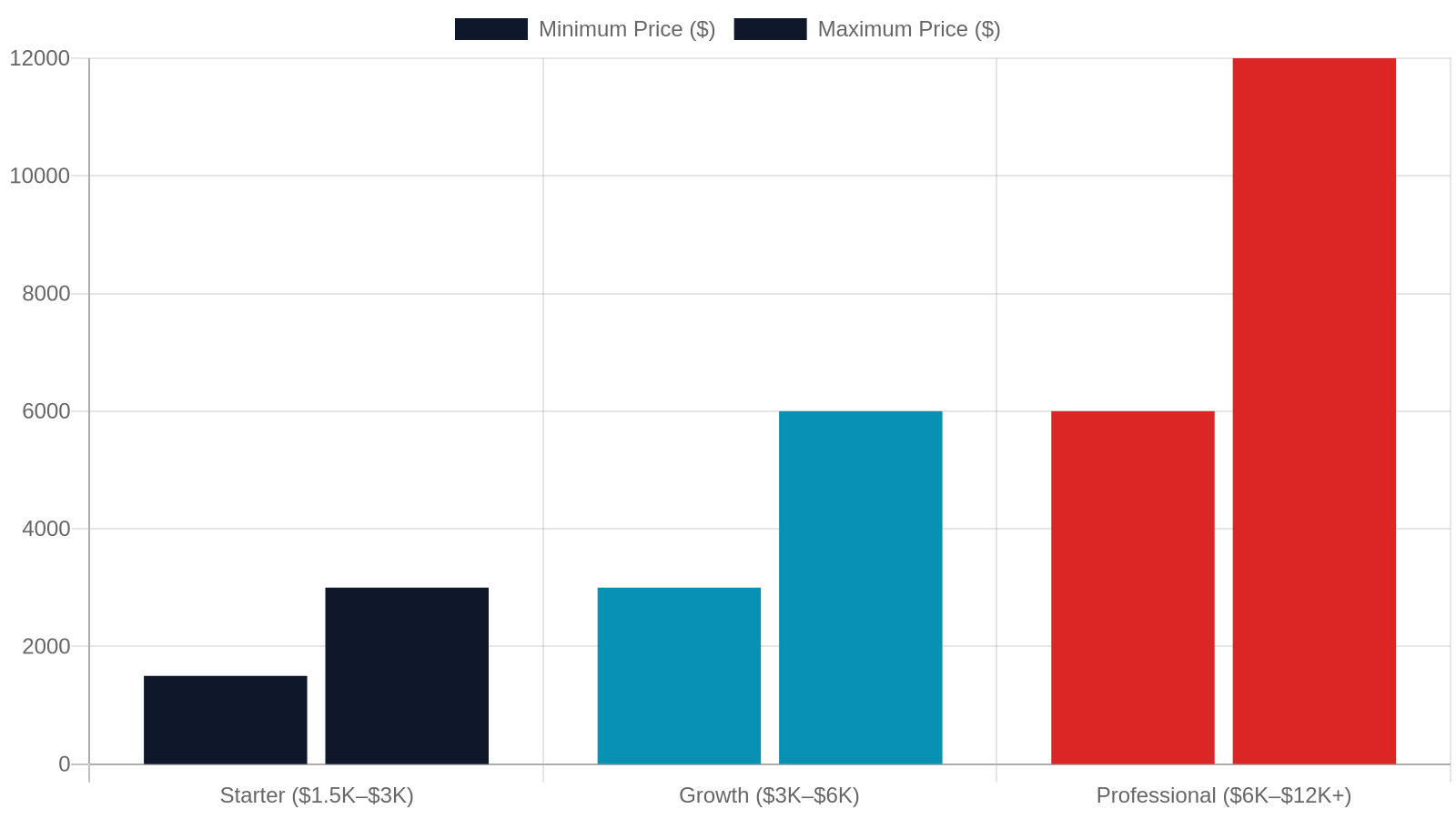
Tier 1: Starter Sites ($1,500–$3,000)
Starter-tier fast builds are best for service businesses that need a credible online presence immediately — think a new HVAC company in Murfreesboro or a solo attorney in Jackson. Deliverables typically include:
- 5–7 pages (Home, About, Services, Contact, and 1–2 extras)
- Mobile-responsive design using a premium WordPress theme
- Basic on-page SEO (title tags, meta descriptions, H1/H2 structure)
- Google Analytics 4 and Search Console setup
- Contact form and Google Maps embed
At this price point, expect limited custom illustration, stock photography, and one round of revisions. Timeline: 10–14 business days with client content provided upfront.
Tier 2: Growth Sites ($3,000–$6,000)
The most popular tier for established small businesses and startups in the Nashville metro area. Growth sites add meaningful customization and conversion-focused elements:
- 8–15 pages including service detail pages and a blog setup
- Custom design (not just a theme skin) aligned to brand guidelines
- Schema markup for local SEO and AEO readiness
- Lead capture integrations (CRM, email marketing, chat widget)
- Speed optimization targeting a Google PageSpeed score of 85+
- Two rounds of revisions
Timeline: 15–22 business days. The extra days account for custom design iterations and integration testing.
Tier 3: Professional & E-Commerce ($6,000–$12,000+)
For businesses that need e-commerce, membership portals, booking systems, or deep third-party integrations, the investment rises — but a 4-week delivery is still achievable with the right team. This tier includes:
- WooCommerce or custom product catalog (up to 50 SKUs at launch)
- Payment gateway integration (Stripe, Square, PayPal)
- Custom WordPress plugin development for unique functionality
- Advanced analytics dashboards and conversion tracking
- Full AEO and GEO optimization package
Timeline: 18–28 business days. Rushing beyond this window for complex builds risks post-launch bugs that cost more to fix than the time saved.
3. What Drives the Price Up (and What Keeps It Down)

Understanding the line items in a web design quote helps you make smarter decisions about where to invest and where to trim. Some cost drivers are non-negotiable for quality; others are entirely within your control as the client.
The 6 Biggest Price Drivers
- Page count: Every additional page adds design time, copywriting, and QA. Going from 7 to 15 pages can add $800–$2,000.
- Custom functionality: Booking systems, membership portals, and custom plugins each add $500–$3,000 depending on complexity.
- E-commerce: Even a basic WooCommerce store with 20 products adds 15–25 hours of setup time.
- Copywriting: If you need the agency to write your content, budget $75–$150 per page for professional copy.
- Photography/video: Custom photo shoots or video production are separate line items — stock photo licensing typically runs $50–$200 per image for commercial use.
- Rush fees: Agencies that guarantee delivery in under 2 weeks often charge a 20–30% rush premium on top of the base project price.
How to Reduce Your Total Cost Without Sacrificing Quality
The single most effective way to lower your bill and hit the 4-week deadline is to arrive prepared. Agencies spend a surprising amount of billable time chasing clients for logos, copy, and brand colors. Here is a pre-project checklist that can save you $500–$1,500:
- Provide your logo in SVG or high-resolution PNG format
- Write a one-paragraph description of each service you offer
- Gather 10–15 approved photos (your team, your location, your work)
- List your top 5 competitors so the designer has context
- Confirm your primary call-to-action before kickoff (call, book, buy, quote?)
Clients who complete a thorough intake form before the project starts consistently see faster delivery and fewer revision rounds.
4. The Typical 4-Week Build Timeline, Week by Week
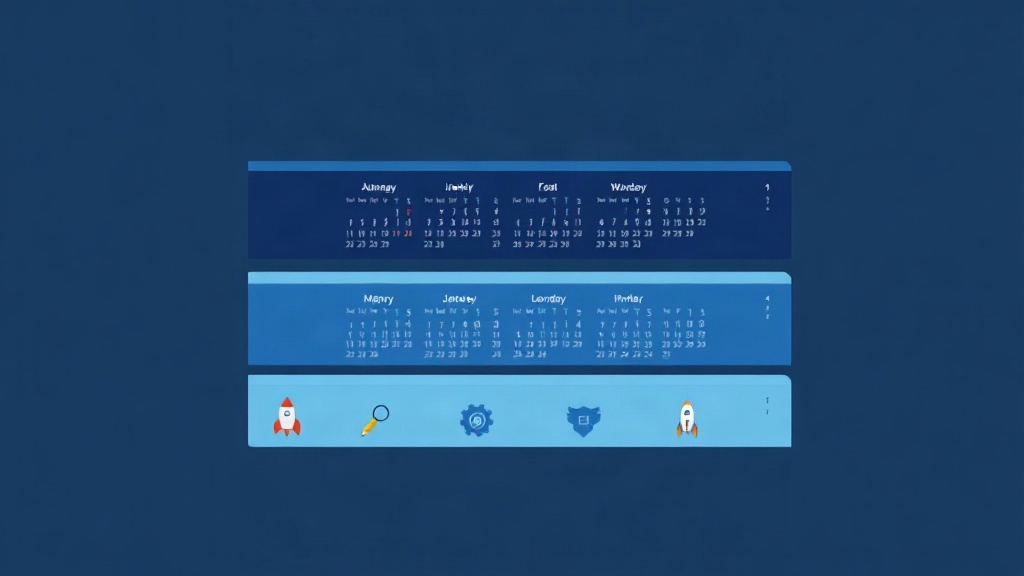
A 4-week build is not magic — it is a disciplined sequence of overlapping tasks. Here is what a well-run rapid build looks like day by day, and where client responsiveness makes or breaks the deadline.
Week 1: Discovery and Design
Days 1–5 are the most information-dense. A good agency will run a kickoff call (60–90 minutes), send an intake questionnaire, and return initial wireframes or a homepage mockup by the end of the week. Key deliverables:
- Brand brief and style tile (colors, fonts, button styles)
- Sitemap approval
- Homepage wireframe or high-fidelity mockup
- Content outline for all pages
Client responsibility: respond to all intake questions within 24 hours and approve the sitemap by Day 3. Delays here cascade through every subsequent week.
Week 2: Development and Content Population
With design approved, developers build the WordPress environment, install the approved theme or custom framework, and begin populating pages with real content. By end of Week 2 you should have a staging site URL with at least 60% of pages populated. This is also when integrations (forms, CRM, analytics) are wired up and tested.
Week 3: Revisions, SEO, and QA
Week 3 is revision week. The client reviews the staging site and submits consolidated feedback in a single document — not a drip of emails. Simultaneously, the SEO team handles:
- Title tags and meta descriptions for every page
- Image alt text and compression
- LocalBusiness schema markup
- XML sitemap and robots.txt configuration
- Core Web Vitals optimization
By end of Week 3, the site should be 95% complete and passing all QA checks across Chrome, Safari, Firefox, and mobile.
Week 4: Launch, DNS, and Handoff
Launch week covers DNS propagation (allow 24–48 hours), final cross-browser testing on the live domain, Google Search Console verification, and a client training session on how to update content. A responsible agency also sets up automated uptime monitoring and delivers a written handoff document covering login credentials, plugin licenses, and recommended maintenance schedule.
5. DIY Website Builders vs. Professional Fast Builds

One of the most common questions Nashville small-business owners ask is whether they should just build their own site on Wix or Squarespace. The answer depends on your goals, timeline, and how central your website is to your revenue. Here is an honest comparison.
The Real Cost of Wix, Squarespace, and GoDaddy
DIY platforms advertise monthly fees as low as $16–$45/month, which sounds attractive. But the hidden costs add up fast:
- Time cost: Business owners average 40–80 hours building their own site — time worth $50–$200/hour in lost productivity.
- Template limitations: You cannot fully customize a Wix or Squarespace template without hitting hard walls, leading to a site that looks generic.
- SEO ceiling: DIY platforms limit technical SEO access — no custom schema, limited server-side control, and slower Core Web Vitals scores on average.
- Migration pain: When you outgrow the platform (and most businesses do within 2 years), migrating to WordPress costs $1,500–$4,000.
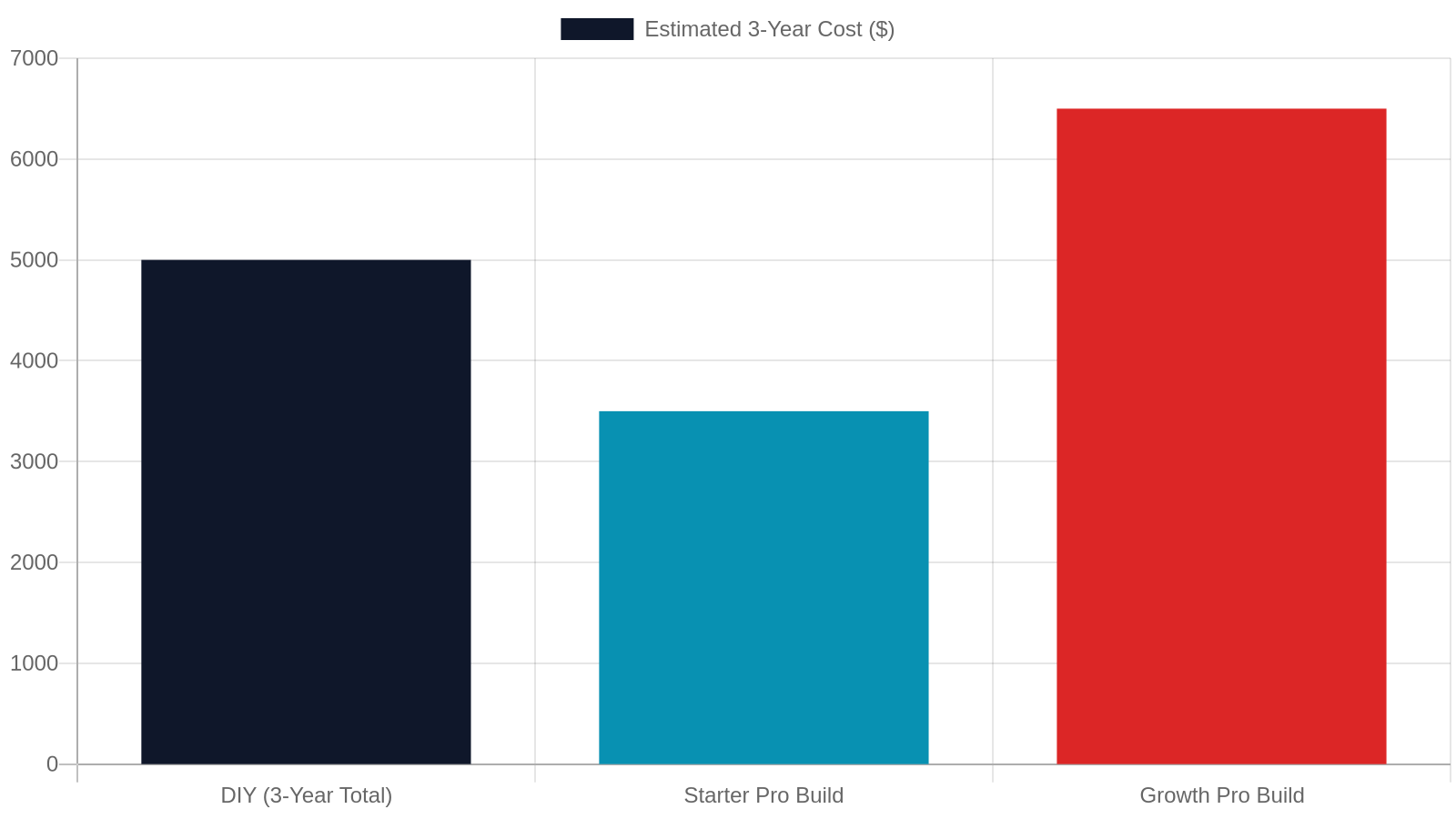
Total 3-year cost of a DIY site: $3,000–$7,000 when you factor in time, add-ons, and eventual migration. A professional build often costs less over the same horizon.
When DIY Actually Makes Sense
DIY is a reasonable choice if you are pre-revenue, testing a business concept, or need a single-page placeholder while your professional site is being built. It is also fine for personal portfolios or hobby projects where SEO and conversion optimization are not priorities. For any business that depends on its website to generate leads or revenue, a professional build pays for itself faster than most owners expect — typically within 3–6 months of improved lead quality and search visibility.
6. SEO and AEO: Why Speed-to-Launch Matters for Search Rankings

Launching fast is not just about convenience — it has a direct, measurable impact on how quickly your site begins ranking in search results and appearing in AI-generated answers. Here is why the launch date matters more than most business owners realize.
The 6-Month SEO Compounding Effect
Google’s indexing and ranking algorithms reward domain age and content consistency. Every month your site is live and publishing relevant content, it accumulates authority. A business that launches in January and waits until July to go live has lost six months of compounding SEO growth. For competitive Nashville markets like HVAC, legal services, or real estate, that gap can translate to hundreds of lost leads.
Studies by Ahrefs (2023) found that the average top-10 Google result is over 2.5 years old. The sooner you launch a well-optimized site, the sooner the clock starts on that authority-building process.
AEO and GEO: The New Frontier for Fast-Launch Sites
Answer Engine Optimization (AEO) and Generative Engine Optimization (GEO) are rapidly becoming as important as traditional SEO. AI-powered search tools like Google’s AI Overviews, ChatGPT, and Perplexity pull answers from well-structured, authoritative web pages. A fast-launched site that includes proper schema markup, FAQ sections, and clearly defined entity data gets indexed and cited by these systems faster than a bare-bones template site.
If you want your Nashville business to appear in AI-generated answers — not just blue-link results — your site needs structured data from day one. Our Answer Engine Optimization services are built into every professional build we deliver, so you are not retrofitting these elements later at additional cost.
7. What to Look for in a Fast-Build Web Agency

Not every agency that claims to offer fast website builds can actually deliver. Here is how to separate the agencies with real rapid-delivery systems from those who will miss your deadline and blame you for it.
Green Flags: Signs an Agency Can Actually Deliver in 4 Weeks
- A documented sprint process: Ask to see their project timeline template. Agencies that have done this before have one ready.
- A dedicated project manager: Not a developer who also handles client calls — a separate person whose job is keeping the project on schedule.
- A portfolio of launched sites: Request 3–5 examples with live URLs and ask how long each took. Real agencies have real receipts.
- Clear revision policy: Fast builds require consolidated feedback. If an agency offers unlimited revisions on a 4-week build, they are either padding the timeline or setting you up for disappointment.
- Upfront content requirements: A good agency sends you a content checklist before the project starts, not after.
Red Flags That Will Blow Your Deadline
- No written contract or scope of work
- Vague deliverables like ‘a professional website’ with no page count specified
- No staging environment — you only see the site on launch day
- Offshore handoffs with 12-hour time zone gaps and no local project lead
- Promises of a 1-week build for a complex e-commerce site — technically possible, practically a disaster
Ask every prospective agency: ‘What happens if we miss the 4-week deadline — and whose fault is it?’ Their answer tells you everything about how they run projects.
Fast Website Build Options at a Glance: 5-Point Comparison
Use this table to quickly compare your main options for getting a professional website live in under 4 weeks. Ratings are on a 1–5 scale (5 = best).
8. Nashville and West Tennessee: Local Pricing Context

Pricing for web design services varies significantly by geography. If you are a small business in Nashville, Murfreesboro, Hendersonville, Mount Juliet, or Jackson, here is what you can realistically expect to pay compared to national benchmarks — and what local factors affect your quote.
How Tennessee Agency Rates Compare to National Averages
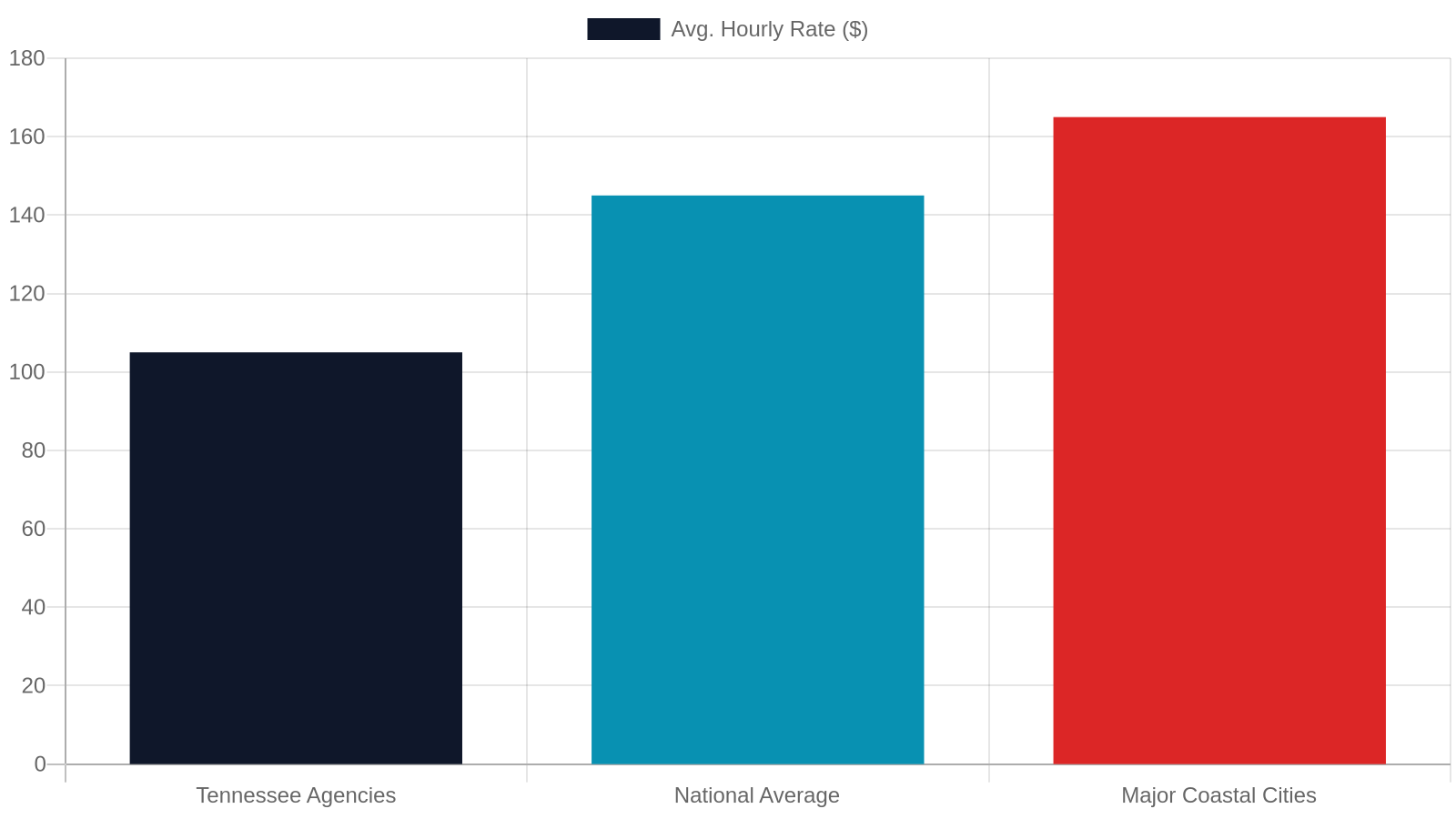
National averages for professional website builds range from $5,000 to $15,000 for a growth-tier site. Tennessee-based agencies — particularly those serving Nashville, Franklin, Brentwood, and Jackson — typically price 15–25% below major metro markets like New York, Chicago, or Los Angeles, while delivering comparable quality. This makes the Nashville and West Tennessee market particularly attractive for small businesses that want professional work without coastal pricing.
Hourly rates for web design in Tennessee typically run $75–$135/hour compared to $125–$200/hour in major coastal cities. A 40-hour growth-site build costs $3,000–$5,400 in Tennessee versus $5,000–$8,000 in New York.
Industry-Specific Pricing Patterns in Middle Tennessee
Certain industries in the Nashville metro consistently require more complex builds due to regulatory requirements, booking integrations, or high content volume:
- Healthcare and dental practices: HIPAA-compliant contact forms and patient portal integrations add $500–$2,000.
- Real estate: IDX/MLS integration for property listings adds $800–$2,500.
- Restaurants and hospitality: Online ordering and reservation system integrations add $600–$1,800.
- Legal services: Attorney bios, practice area pages, and consultation booking typically push builds to the Growth or Professional tier.
If your business falls into one of these categories, budget accordingly and confirm integration costs in writing before signing any contract.
9. Ongoing Costs After Launch: What to Budget for Year 1

Many business owners focus entirely on the upfront build cost and are surprised by the ongoing expenses that keep a professional website running, secure, and growing. Here is a realistic Year 1 budget breakdown so you are not caught off guard.
Hosting, Maintenance, and Security
Your website is not a one-time purchase — it is a recurring operating expense. Here are the standard annual costs for a WordPress site after launch:
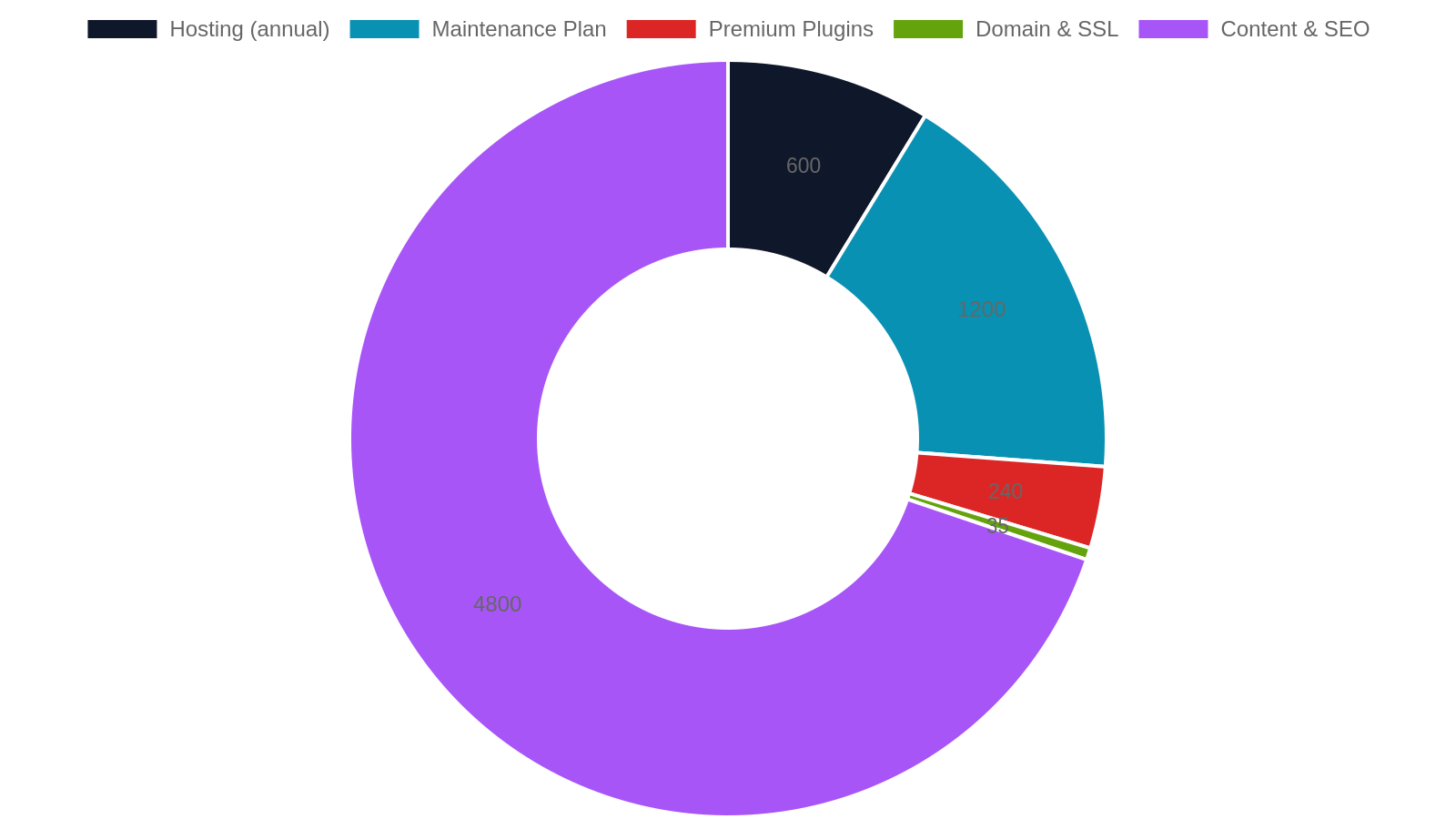
- Managed WordPress hosting: $20–$80/month (WP Engine, Kinsta, SiteGround). Budget $240–$960/year.
- Domain registration: $12–$20/year for a .com domain.
- SSL certificate: Usually included with managed hosting; standalone certificates run $0–$200/year.
- WordPress maintenance plan: Plugin updates, security scans, and monthly backups typically run $50–$150/month through an agency.
- Premium plugins: SEO tools (Rank Math Pro: $59/year), form builders (Gravity Forms: $59/year), and security plugins (Wordfence Premium: $119/year) are common recurring costs.
Content and SEO Investment
A website that never gets new content stops growing in search rankings within 6–12 months. Budget for at least 2–4 new blog posts or service pages per month. Professional content writing runs $150–$400 per piece depending on length and research depth. An ongoing SEO retainer — covering keyword tracking, link building, and technical audits — typically runs $500–$1,500/month for small businesses in competitive Tennessee markets.
The businesses that see the strongest ROI from their website investment are those that treat it as a living marketing asset, not a one-time project. Explore our full digital marketing and web services to see how ongoing support packages are structured.
10. Common Mistakes That Blow the 4-Week Deadline

Even the best-planned fast builds can derail. Knowing the most common failure points — on both sides of the client-agency relationship — lets you structure your project to avoid them. Here are the top mistakes we see repeatedly in rapid website projects.
Client-Side Delays: The #1 Killer of Fast Builds
In our experience, over 70% of fast-build deadline misses are caused by the client, not the agency. The most common culprits:
- Missing or low-resolution logo files (vector files are required — a JPG from a business card will not work)
- Copy that arrives in pieces over multiple weeks instead of all at once
- Decision-makers who are unavailable for approvals during the build window
- Last-minute scope additions: ‘Can we also add an online store?’ in Week 3
- Feedback that contradicts earlier approvals, requiring rework
The fix is simple: treat your website project like a construction job. Show up to the kickoff with your materials ready, make decisions quickly, and consolidate all feedback into a single document per revision round.
Agency-Side Failures and How to Protect Yourself
Agencies fail fast builds too. Protect yourself contractually:
- Milestone payments: Pay in 3 installments (deposit, mid-project, launch) — never 100% upfront.
- Written timeline with penalty clauses: If the agency misses the agreed launch date due to their own delays, you should receive a credit or discount.
- Staging site access by Day 10: If you cannot see any work by the end of Week 2, something is wrong.
- Ownership of your domain and hosting: Your domain should always be registered in your name, not the agency’s. This is non-negotiable.
Ready to Launch Your Nashville Website in Under 4 Weeks?

If you have read this far, you already know more about fast website builds than most business owners in Tennessee. Now the question is: who is going to build yours? Here is what to expect when you work with a local agency that specializes in rapid, high-quality web delivery.
What Studio Blue Creative Delivers
Studio Blue Creative is a Tennessee-based digital agency serving Nashville Metro — including Franklin, Brentwood, Murfreesboro, Hendersonville, and Mount Juliet — as well as Jackson and West Tennessee. Our rapid-build process is built around a proven 4-week sprint framework that has delivered growth-tier WordPress sites on time for service businesses, startups, and established brands across the state.
Every fast build we deliver includes on-page SEO, LocalBusiness schema markup, Google Analytics 4 setup, mobile optimization, and a 30-day post-launch support window. We also offer full Answer Engine Optimization and Generative Engine Optimization add-ons so your site is ready for AI-powered search from the moment it goes live — not as an afterthought.
Get Your Free Estimate Today
We offer free, no-obligation estimates for all website projects. Tell us your page count, your must-have features, and your target launch date, and we will send you a detailed scope and price within 24 hours. Most clients are surprised by how affordable a professional, fast-built site can be when the process is run efficiently.
Call or text us at 731-402-0402 — we serve businesses across Nashville, Jackson, and all of Middle and West Tennessee. You can also request a free website health check to see exactly where your current site stands before committing to a full rebuild. We are ready to help you launch.
Frequently Asked Questions
How much does a fast website build cost in Nashville?
A professional website built in under 4 weeks in the Nashville metro area typically costs between $1,500 and $8,000 depending on page count, custom features, and integrations. Tennessee agency rates run 15–25% below national averages, making local builds a strong value compared to coastal markets.
Can a professional website really be built in 4 weeks?
Yes, for most small business sites of 5–15 pages. The key is a prepared client (logo, copy, and photos ready at kickoff) and an agency with a documented sprint process. Complex e-commerce or membership sites may need the full 28 days or slightly beyond for proper testing.
What is the fastest a website can be professionally built?
A simple 5-page service business site can be built and launched in as few as 7–10 business days by an experienced agency using a component-based WordPress framework. Anything faster than 5 business days typically sacrifices SEO setup, QA testing, or custom design — all of which matter for long-term performance.
What information do I need to provide to start a fast website build?
At minimum: your logo in SVG or high-resolution PNG, written copy for each page (or approval to have the agency write it), 10–15 approved photos, your brand colors and fonts if established, and your primary call-to-action. Having these ready at kickoff is the single biggest factor in hitting a 4-week deadline.
Does a fast-built website rank well on Google?
It can, if SEO best practices are built in from the start — not added as an afterthought. A properly structured fast build with correct title tags, schema markup, mobile optimization, and fast load times will begin ranking within 4–12 weeks of launch. Sites without these elements often take 6–18 months to gain any meaningful visibility.
What is the difference between AEO and traditional SEO for a new website?
Traditional SEO focuses on ranking in Google's blue-link results through keywords, backlinks, and technical optimization. Answer Engine Optimization (AEO) structures your content so AI-powered tools like Google's AI Overviews, ChatGPT, and Perplexity cite your site when answering user questions. Both are important, and the best fast builds incorporate both from day one.
Find out if ChatGPT recommends your business.
Right now, your customers are asking AI for recommendations. The AI is naming somebody. Is that name yours? Run our free AEO Scorecard — we test 3 of your real queries against ChatGPT and Claude and email you a personalized report.
Ready for a real website?
Get a tailored 3-tier proposal in under a minute — including our Launch Deal ($699), a custom build, or our SEO Growth Package. No call required.